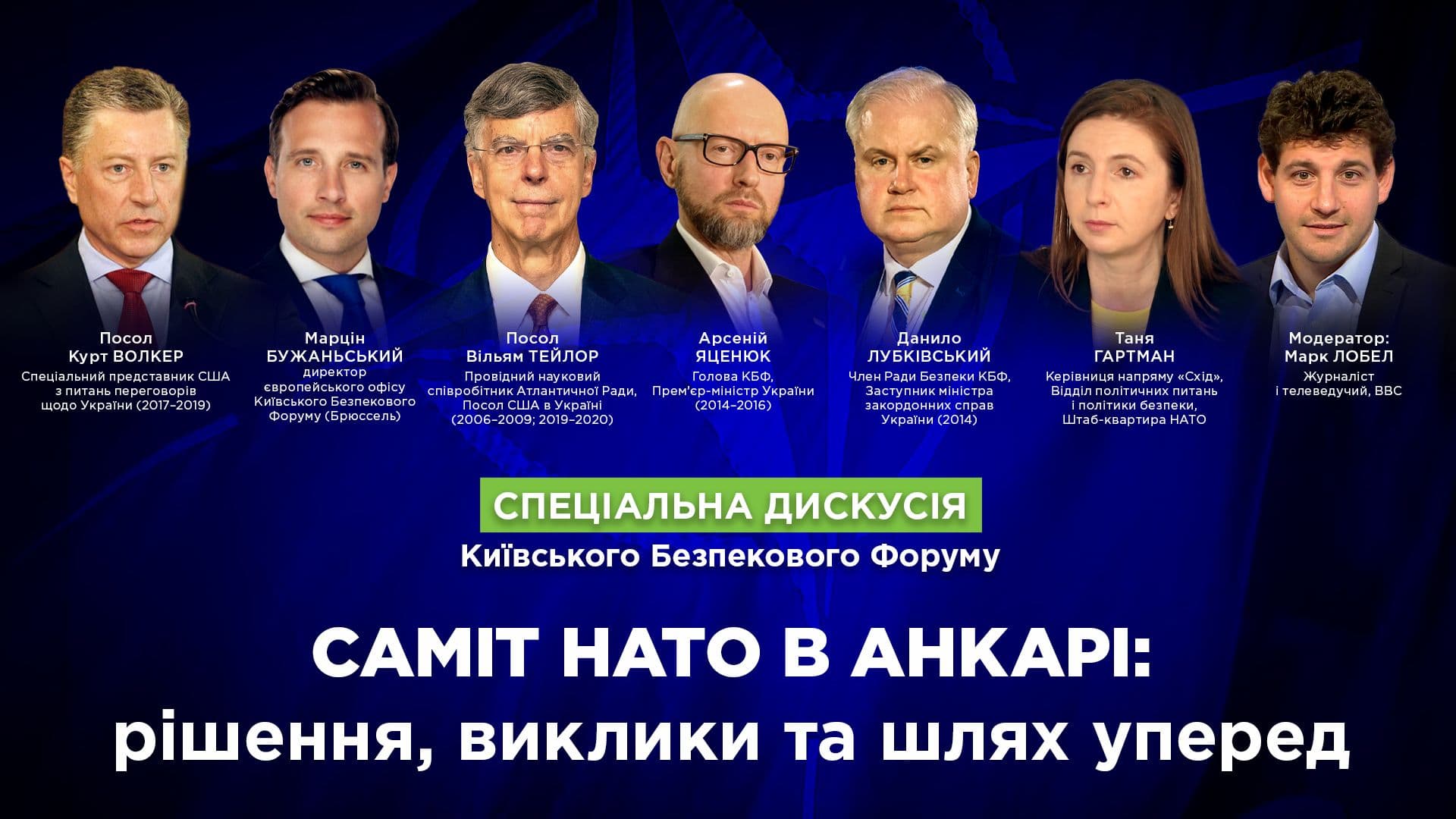
‘Support Ukraine, Defend Europe’ – the Kyiv Security Forum in Brussels brought together senior officials from the EU, NATO and Ukraine
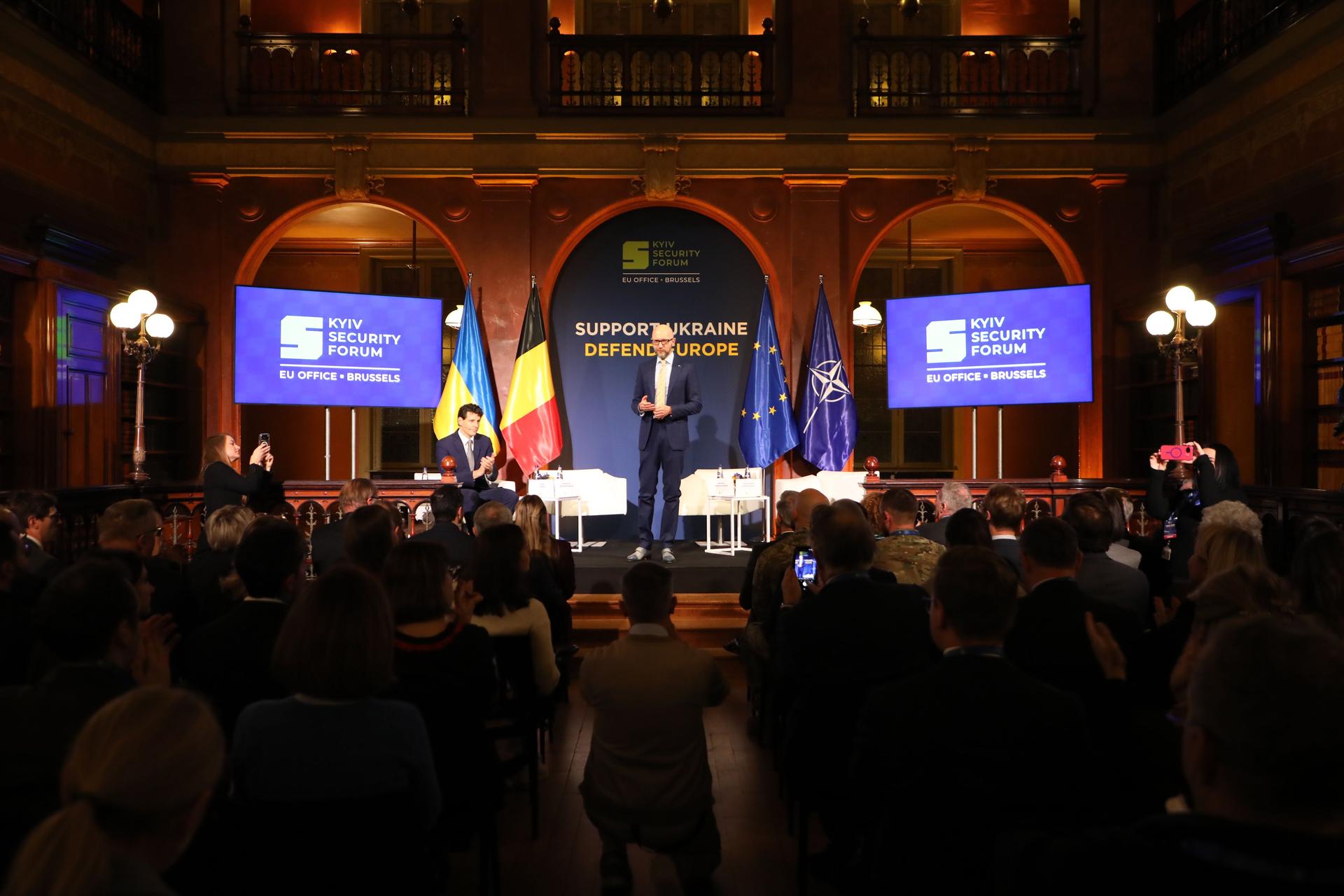
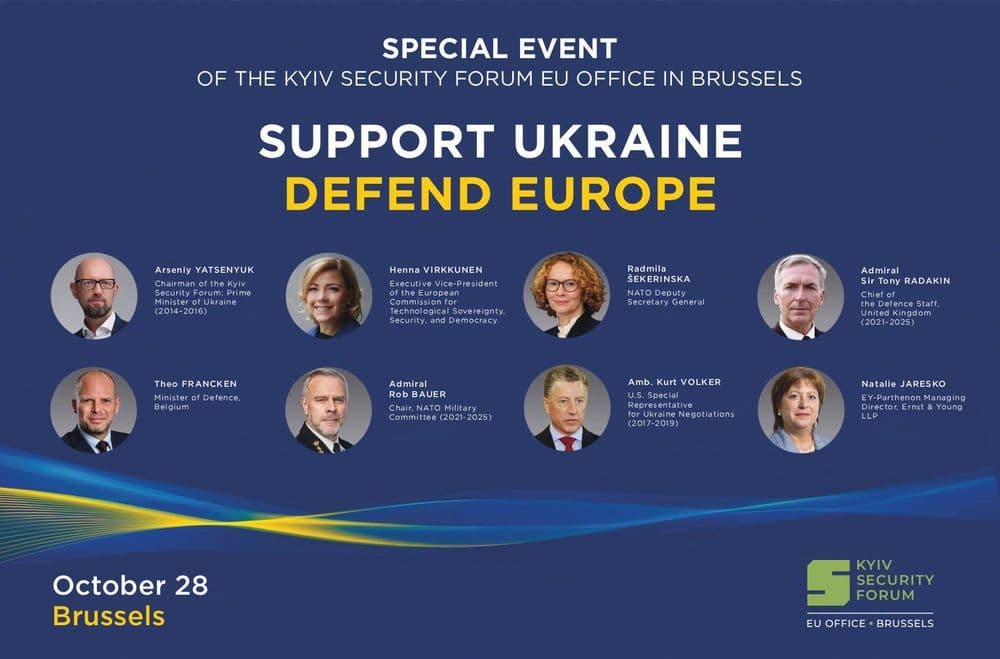
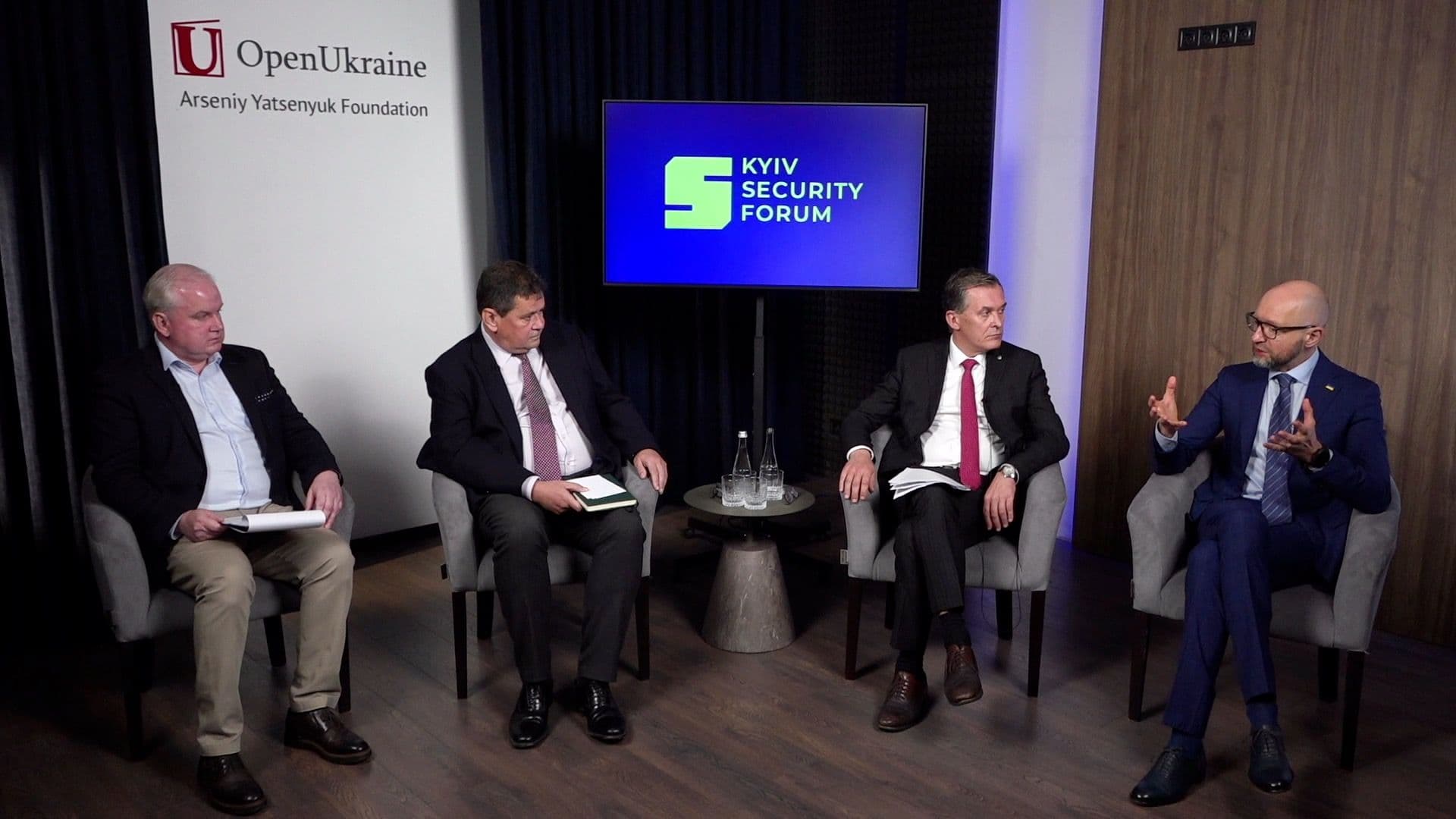
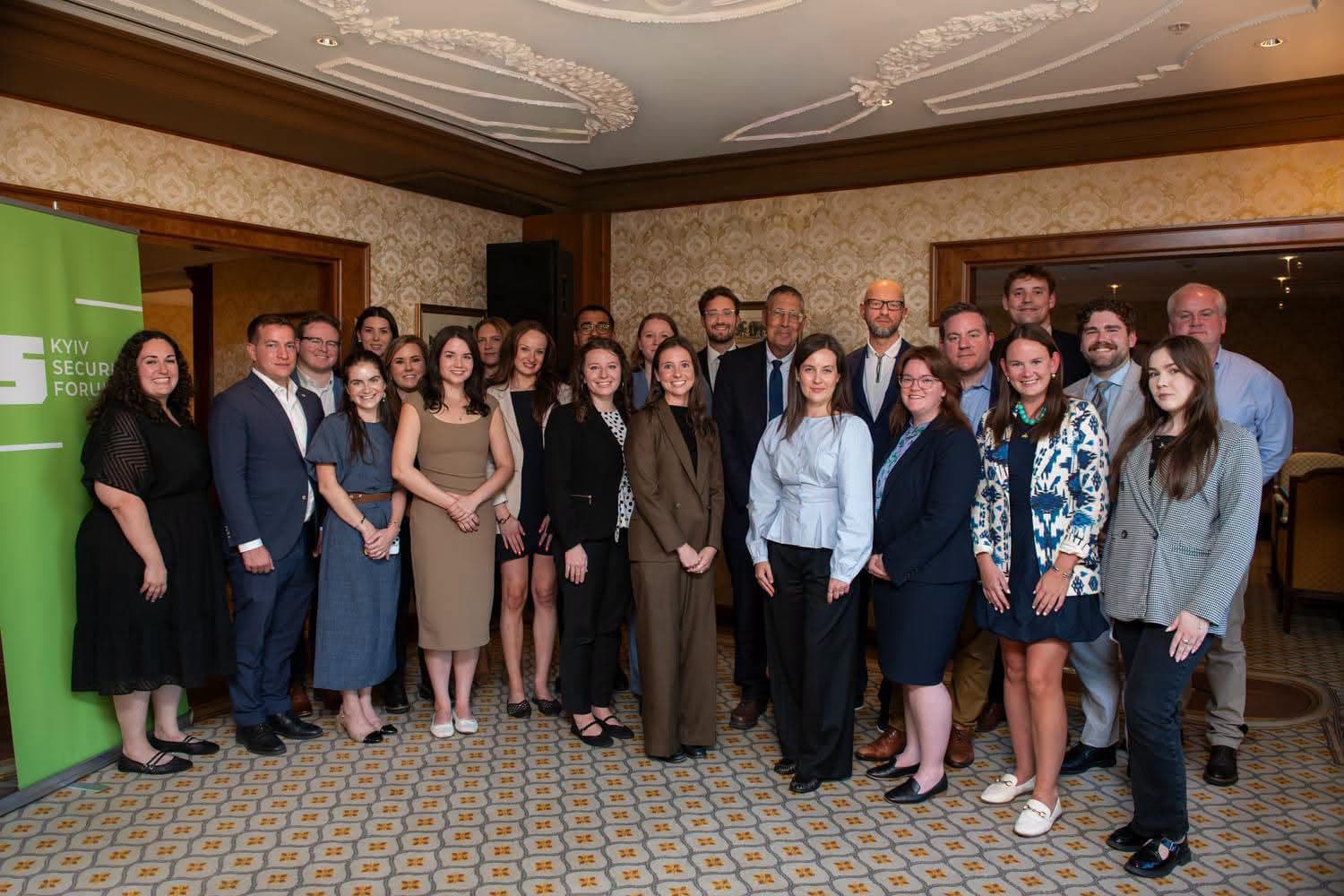
On 28 October, a special event organised by the Kyiv Security Forum, entitled ‘Support Ukraine, Defend Europe’, took place in Brussels, bringing together senior officials from the European Union, NATO and Ukraine, as well as leading politicians, military figures, diplomats and international experts.
Held at the historic Solvay Library, the event marked the first high-level gathering organised by the newly established KSF EU Office in Brussels.
The participants discussed Ukraine’s pressing defence needs, the protection of energy infrastructure in the run-up to winter, the strengthening of international support and the shaping of a new European security architecture. A central message of the discussions was that supporting Ukraine should be seen not merely as assistance to a country resisting Russian aggression, but as an essential part of defending Europe itself.
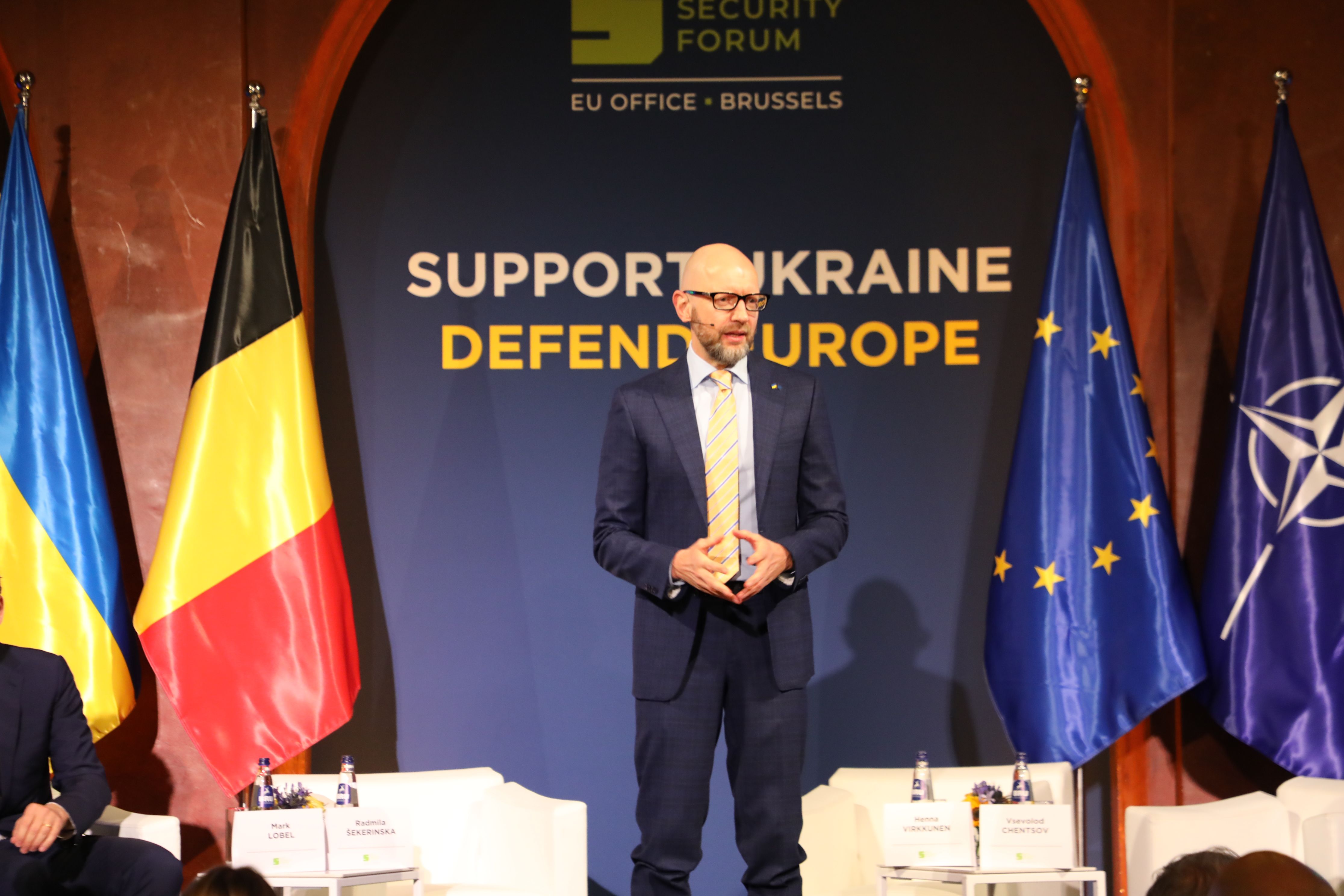
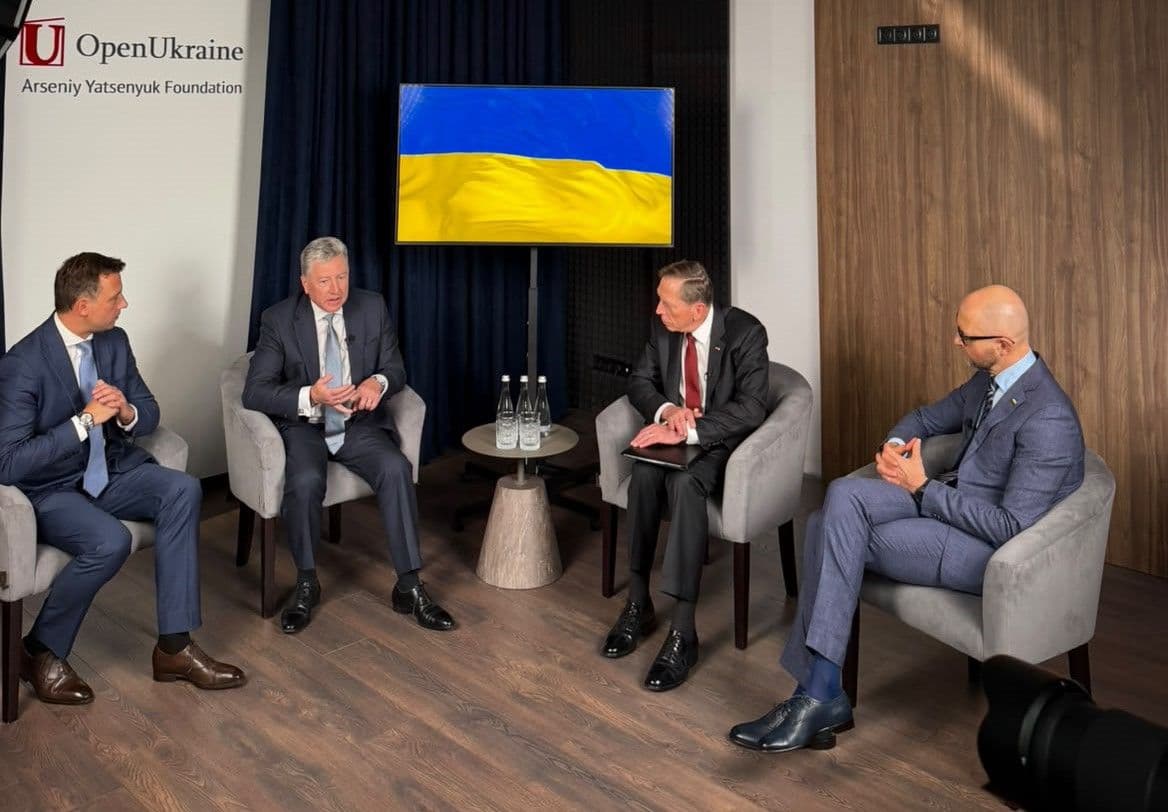
The Chairman of the Kyiv Security Forum and former Prime Minister of Ukraine, Arseniy Yatsenyuk, opened the event by emphasising that the only path to a just peace is to increase pressure on Russia and maintain unity among Ukraine’s international partners.
According to Yatsenyuk, Putin is prepared to end the war only on his own terms, while his statements about a willingness to negotiate should not be mistaken for a genuine desire for peace. “The only way to deliver peace is to turn the screw on Putin, to press like hell on Putin. And we have enough tools and leverage to do so,” the KSF Chairman noted.
He emphasised that Ukraine’s partners have the resources necessary to strengthen their support, including approximately $300 billion in frozen Russian assets. The decisive factor, he argued, remains the political will to act together.
Henna Virkkunen, Executive Vice-President of the European Commission for Technological Sovereignty, Security and Democracy, highlighted the importance of Ukraine’s experience in strengthening Europe’s technological and defence capabilities.
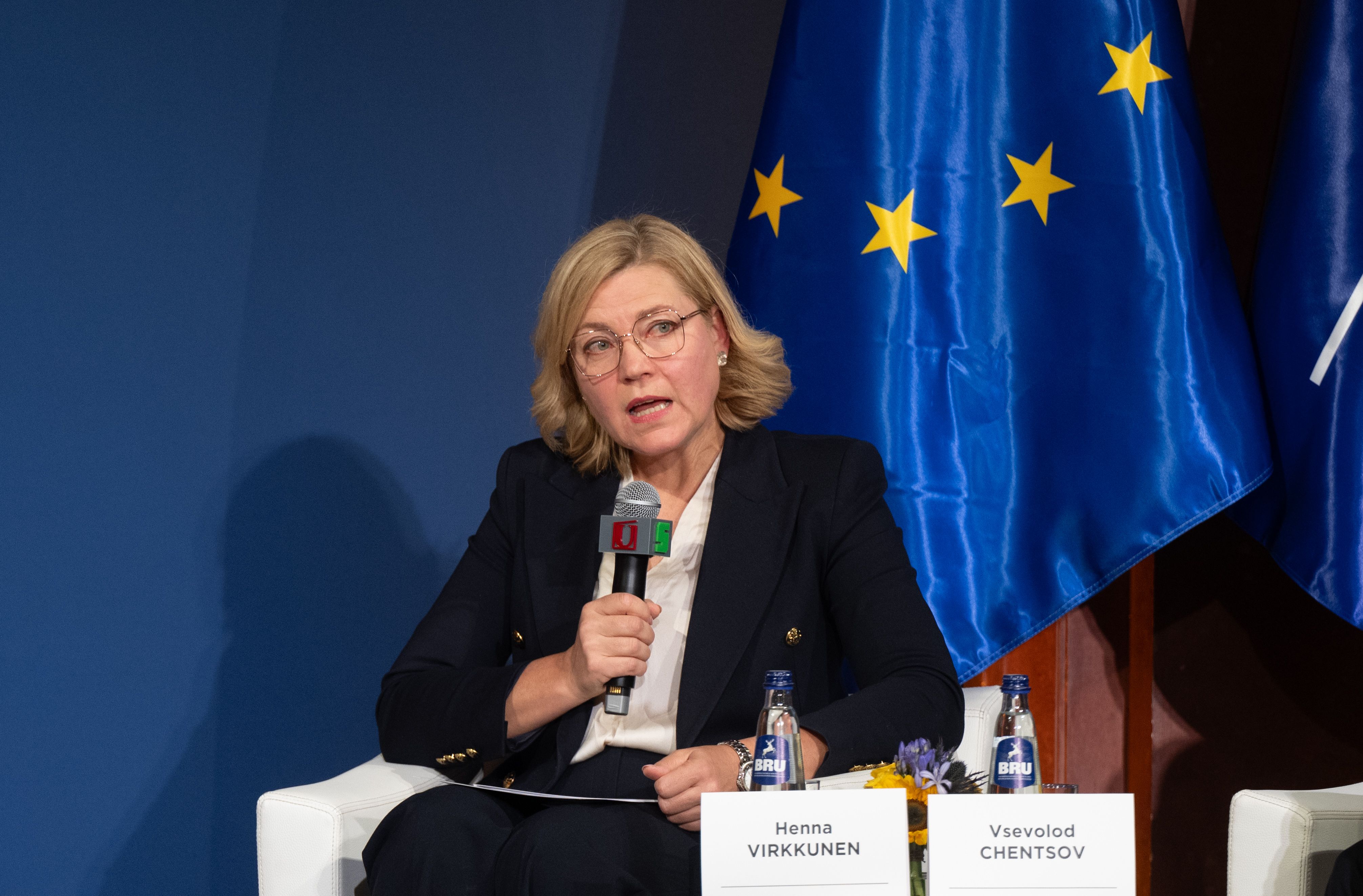
She stressed that the European Union must reinforce its technological sovereignty, reduce strategic dependencies and develop critical technologies, including artificial intelligence, cybersecurity and satellite communications. Virkkunen also drew attention to growing Russian hybrid threats and information operations aimed at weakening European unity and support for Ukraine.
Radmila Shekerinska, NATO Deputy Secretary General, reaffirmed NATO’s unwavering support for Ukraine and stressed the urgent need to strengthen Ukrainian air defences.
“Every interceptor in our stockpiles matters, but every interceptor in the hands of Ukrainian Armed Forces means that we save lives every single day, and every single night,” the NATO Deputy Secretary General said.
She noted that critical military equipment worth $10 billion, including air defence capabilities, had already been delivered to Ukraine through NATO’s PURL initiative and the US Foreign Military Sales programme.
Vsevolod Chentsov, Ukraine’s Deputy Prime Minister for European and Euro-Atlantic Integration, stressed that Ukraine is already an important contributor to European and Euro-Atlantic security.
According to Chentsov, Ukraine’s cooperation with NATO is increasingly based not only on its need for assistance but also on the unique battlefield experience, defence capabilities and practical expertise that Ukraine can share with its Allies. He emphasised that Ukraine would remain a major factor in European security regardless of the timeline for NATO membership, while its future accession to the European Union would strengthen the resilience and security of the EU as a whole.
During the panel discussion ‘Winter Under Attack: Will Europe Rise to the Challenge?’, participants paid particular attention to Ukraine’s energy security in the run-up to winter.
Maksym Timchenko, CEO of DTEK, warned that Russian attacks on power grids and substations threaten electricity supplies even when sufficient generation capacity is available.
According to Timchenko, Russia is attempting to break Ukraine’s integrated power system into isolated sections, with Kyiv and the central and eastern regions facing the greatest risks.
In the worst-case scenario, if attacks continue at their current intensity, electricity in Kyiv could be supplied primarily to critical infrastructure, leaving households with power for only two or three hours a day. However, Timchenko expressed confidence that Ukraine would find a way to avoid such an outcome.
He stressed that the main challenge remains the shortage of active protection for energy facilities, particularly air defence ammunition. Just a few massive attacks could undo months of infrastructure restoration efforts.
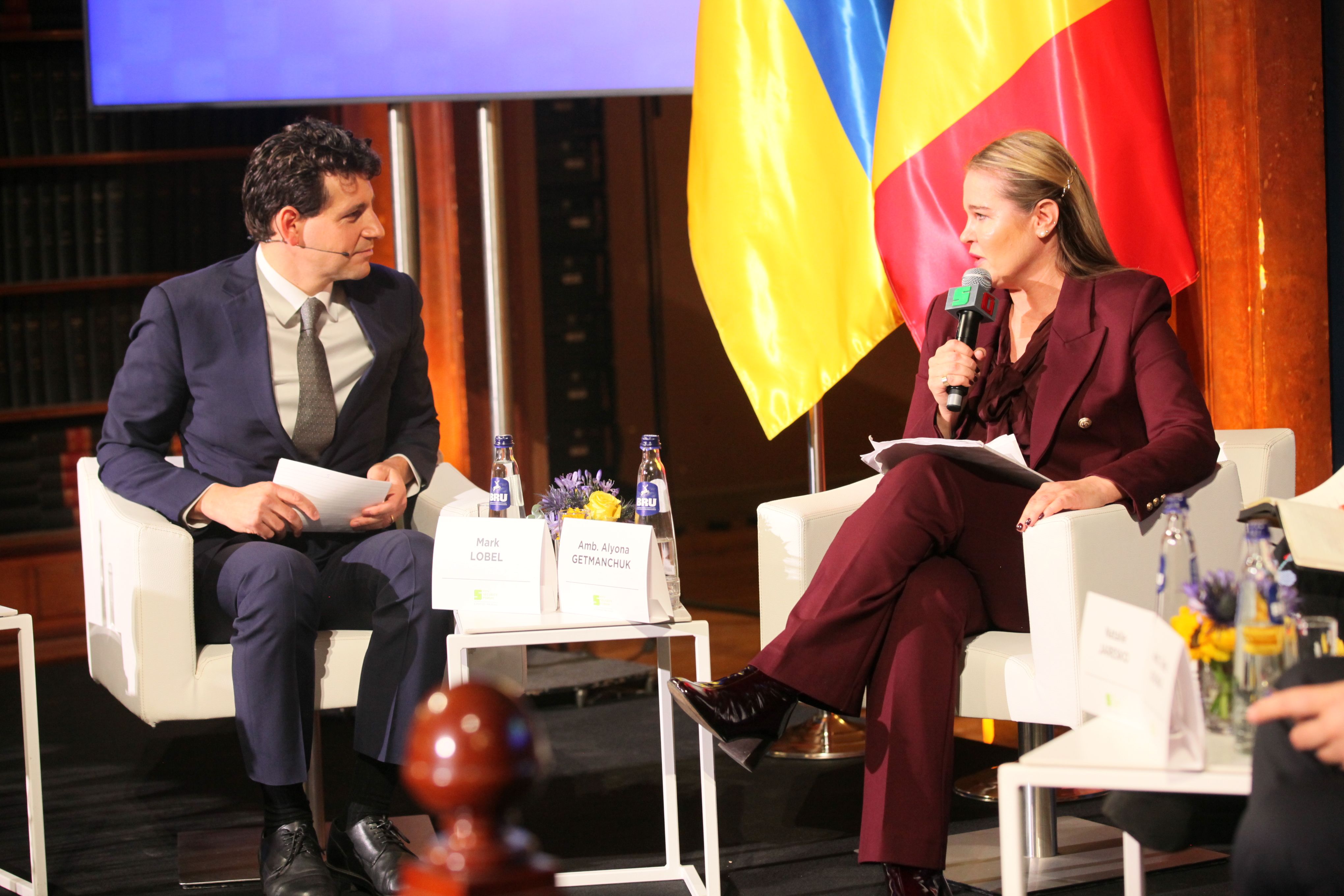
Alyona Getmanchuk, Head of Ukraine’s Mission to NATO, Alyona Getmanchuk argued that protecting Ukraine’s energy infrastructure requires more than air defence and physical fortifications. It also requires proactive defence, including long-range strikes against Russian missile and drone launchers and defence production facilities.
According to Getmanchuk, the PURL initiative remains Ukraine’s principal source of critical air defence capabilities, including Patriot interceptors. She noted that the greatest obstacle to obtaining additional interceptors from Allied stockpiles is often not their limited availability, but insufficient political willingness to make the necessary decisions.
Ivanna Klympush-Tsintsadze, Chair of the Verkhovna Rada Committee on Ukraine’s Integration into the EU, called on international partners to move from statements to concrete action.
“It’s the interceptors, it’s specific types of ammunition, radio electronic warfare. And definitely, you know, it’s transformers, it’s specific repair equipment, it’s the energy support fund and not sympathy that is needed at this particular moment,” she said.
The Ukrainian parliamentarian also stressed the need to increase sanctions pressure on Russia and ensure Europe’s participation in future negotiations on ending the war.
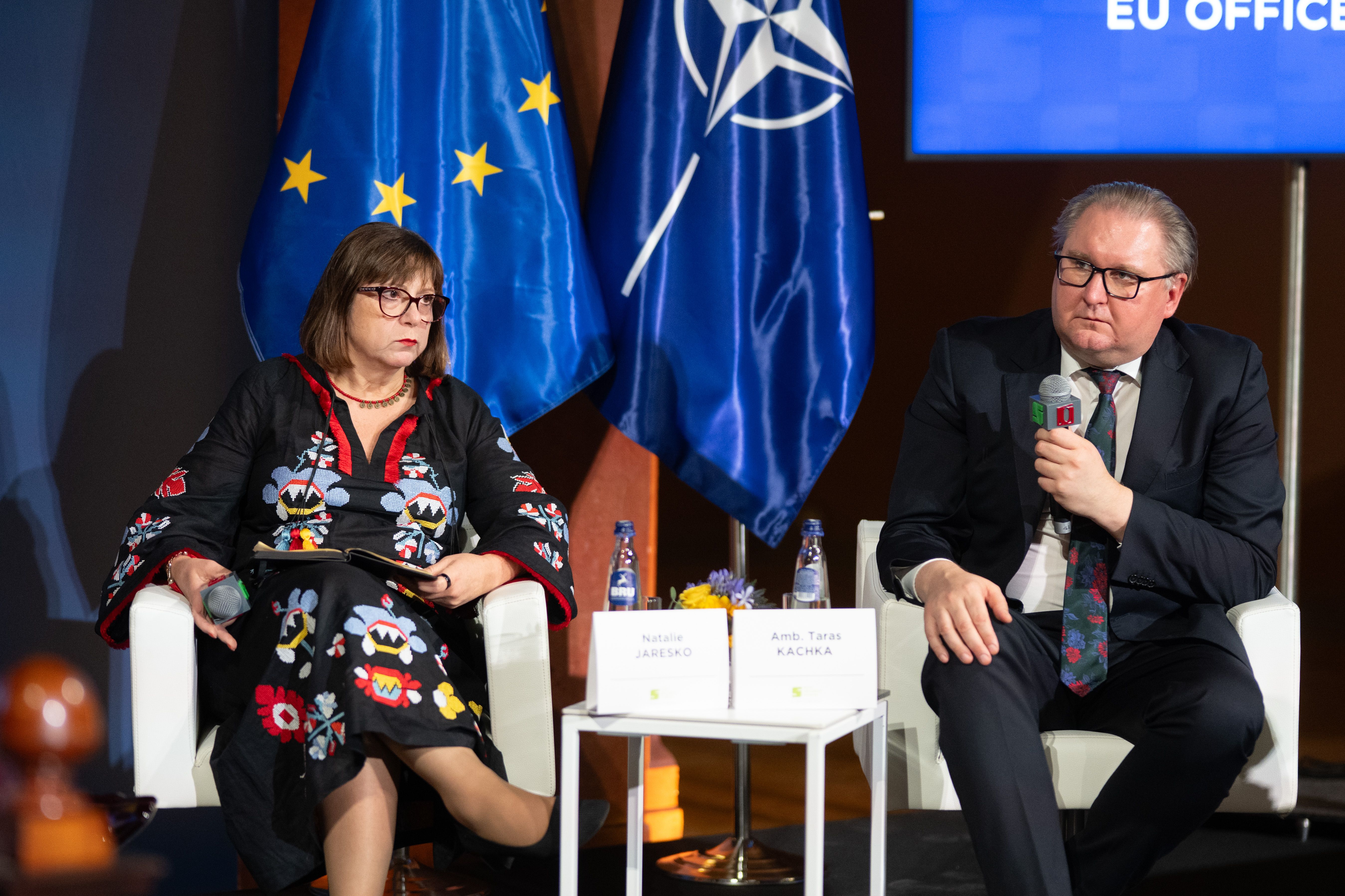
Taras Kachka, Head of Ukraine’s Mission to the EU, emphasised that the integration of Ukraine’s electricity system with Europe’s had demonstrated its effectiveness during the full-scale war. He noted that more than €2 billion had already been mobilised through the Ukraine Energy Support Fund to procure essential equipment.
He called for stronger EU support for decentralised power generation, enabling residential buildings and businesses to continue operating even when the main electricity grid is damaged.
Natalie Jaresko, former Minister of Finance of Ukraine, stressed that international support must enable Ukraine not merely to survive, but to achieve economic growth and victory. “Resilience is only survival. Survival is not our goal. We as a Ukrainian people want to flourish. We want our country to flourish,” she said.
Jaresko called for faster financing of Ukraine’s defence and economic needs, including through the use of approximately $300 billion in frozen Russian sovereign assets. She warned that delays in providing assistance would only increase the eventual costs for Europe.
Kurt Volker, former US Special Representative for Ukraine Negotiations, emphasised that Ukraine must continue defending itself, including by targeting Russian military logistics and the financial resources sustaining the war. He described this strategy as the right approach and stressed that the American public and Congress remain the most reliable foundation of support for Ukraine in the United States.
Addressing the prospects for peace negotiations, Volker called for a full, immediate and unconditional ceasefire, while expressing doubts about Putin’s willingness to agree to one.
Another key topic of the event was the discussion ‘Ukraine’s Fight, Europe’s Defence: Act Together Now’, which focused on Ukraine’s experience of waging war, military support and Russia’s violations of international humanitarian law.
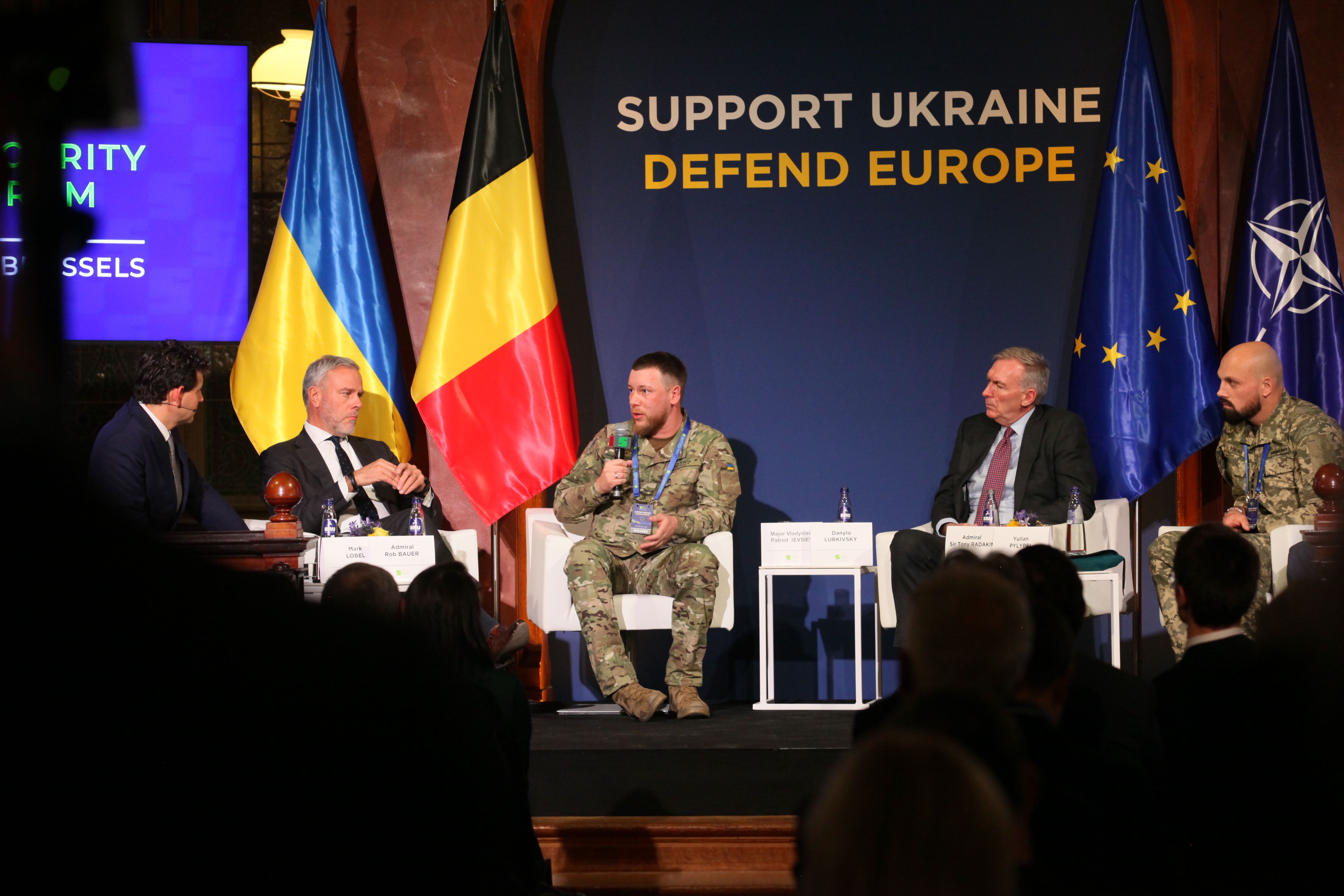
Major Vladyslav Yevseyev, an air defence officer with the 1st Azov Corps, described the situation in Donbas, where Azov units face new drones, missiles and other threats every day but continue to defend Ukrainian land.
He stressed that Ukraine needs not only additional air defence systems and missiles, but also the capability to destroy Russian attack systems and increase sanctions pressure on the aggressor.
“We should act now, not tomorrow, or in the next week. We need to act now,” the officer urged. Yevseyev also spoke about his five-year-old daughter, who already understands different air alert levels and recognises the threats posed by missiles and drones. He emphasised that Ukrainian soldiers are fighting not merely for survival, but for their children’s future and an independent Ukraine.
Captain Yulian Pylypei, a Marine veteran and former prisoner of war, who spent two and a half years in Russian captivity, described systematic torture, starvation and psychological pressure inflicted on Ukrainian prisoners of war and civilians.
According to Pylypei, the system used in Russian prisons is built on three elements: fear, pain and starvation, compounded by complete isolation from information.
Pylypei estimated that between 5,000 and 7,000 people may still be held in Russian captivity. He stressed that international humanitarian organisations lack proper access to facilities where Ukrainian prisoners are detained.
Admiral Sir Tony Radakin, former UK Chief of Defence Staff and member of the Kyiv Security Forum Security Council, responding to the Ukrainian Marine’s testimony, praised his courage and his decision to return to military service after being released from captivity. “That is why Ukraine is going to win this war. That is why Russia is losing this war,” the former UK Chief of Defence Staff declared.
Radakin emphasised that the West is learning from Ukraine’s experience of modern warfare, particularly the rapid development of drone technologies, the ability to adapt quickly, and the integration of military, political, diplomatic and economic instruments. He also called on Ukraine’s partners to mobilise additional resources to sustain the country’s defence capabilities and economic resilience.
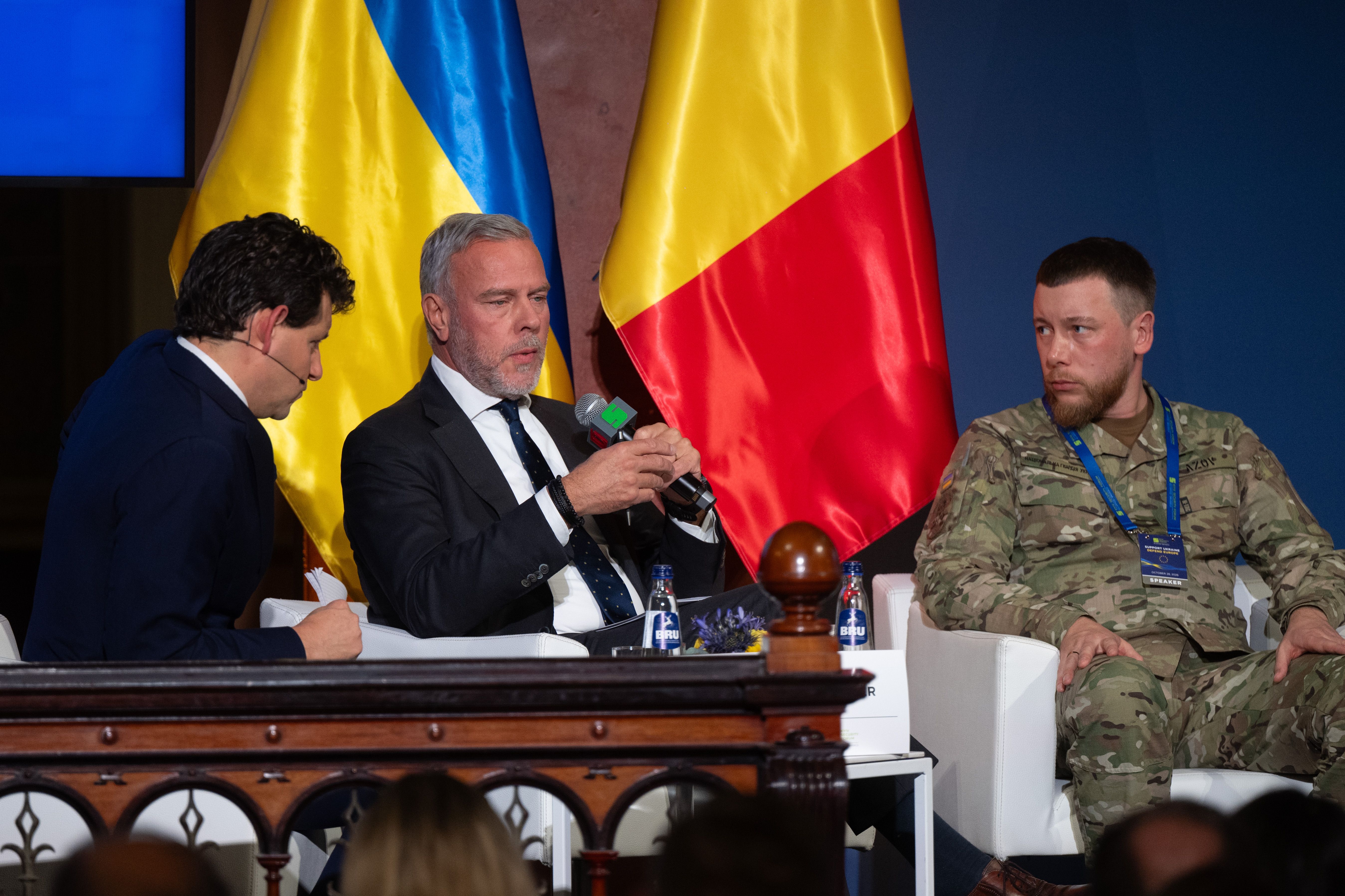
Admiral Rob Bauer, former Chair of the NATO Military Committee and member of the Kyiv Security Forum Security Council, described Russia’s war against Ukraine as evidence of a profound crisis in the international order.
“I think that what we see in this war is the complete moral failure at this moment in the world,” the former Chair of the NATO Military Committee said.
He stressed that 81 years after the end of the Second World War, the world is once again witnessing widespread violations of international humanitarian law, while political discussions often focus on money, territory and the possibility of resuming business with Russia.
Danylo Lubkivsky, a member of the Kyiv Security Forum Security Council, emphasised that supporting Ukraine is a matter of security for the entire democratic world, including the United States.
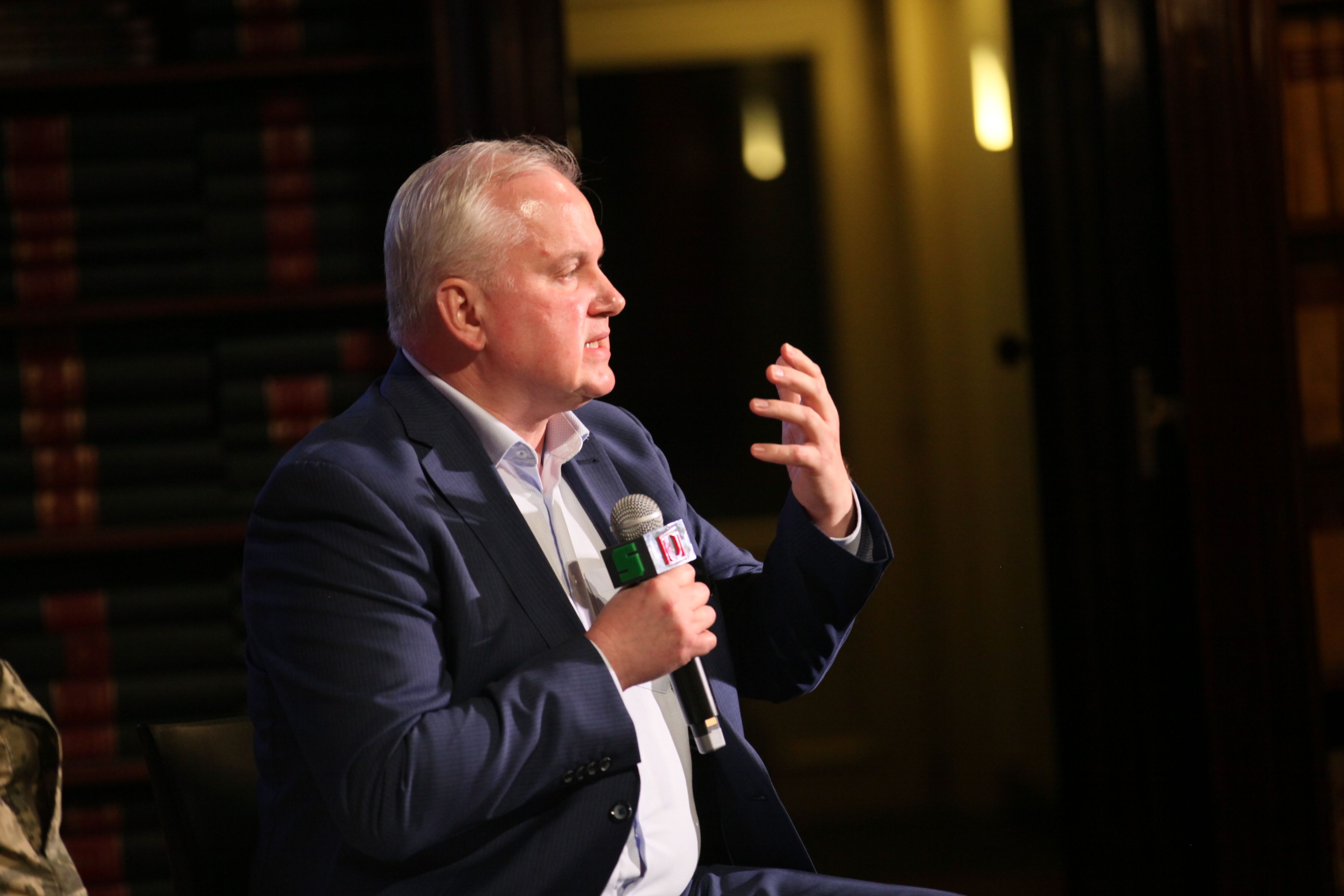
“If Russia wins and Ukraine fails, the world we know would cease to exist. And America as we know it would cease to exist too,” he said, commenting on the debate over the role of American assistance.
Lubkivsky also urged the international community to pay greater attention to the fate of thousands of Ukrainian prisoners of war, describing the inability of international institutions to protect their rights as a crisis of the entire humanitarian system.
He expressed hope that the Kyiv Security Forum and its EU Office would continue drawing international attention to the plight of Ukrainian prisoners.
Separate video messages to the event’s participants were recorded by General David Petraeus, a member of the KSF Security Council, Commander of US Central Command from 2008 to 2010 and Director of the US Central Intelligence Agency from 2011 to 2012; and Theo Franken, Belgium’s Minister of Defence. David Petraeus highlighted Ukraine’s successes on the battlefield and behind Russian lines, noting that Ukrainian forces are capable of inflicting such losses that Putin will realise it is impossible to continue the war. Theo Franken, for his part, emphasised that Ukraine is stronger and more stable today than in previous years, and that Russia has no chance of conquering the rest of the Donbas. Both addresses contained a common key message: Ukraine is continuing the fight, but its ability to resist depends directly on the consistent support of its international partners.
A special event ‘Support Ukraine, Defend Europe’ marked the start of a series of international events organised by the Kyiv Security Forum EU Office.
The office, established on the initiative of Arseniy Yatsenyuk and registered in Belgium by a royal decree, is set to become fully operational in 2027. It will serve as a permanent platform for political and expert dialogue with EU and NATO institutions, the governments and parliaments of European states, think tanks and civil society.
Its main areas of focus include promoting Ukraine’s victory, its accession to the EU and NATO, strengthening defence cooperation, rebuilding Ukraine, holding Russia to account, and ensuring Ukraine’s full participation in shaping the future architecture of European security.
Watch the video of the event via the link below: https://www.youtube.com/playlist?list=PLYVvpC3-QgRA