“We are tired. The world needs to pay more attention to Ukraine”: How the Kyiv Security Forum managed to bring Prince Harry, NATO and EU leaders to the capital”
Five years into a full-scale war, Ukraine is fighting ever harder to attract the world’s attention. The 18th Kyiv Security Forum has become one of the key events bringing the focus of international politics back to Kyiv.
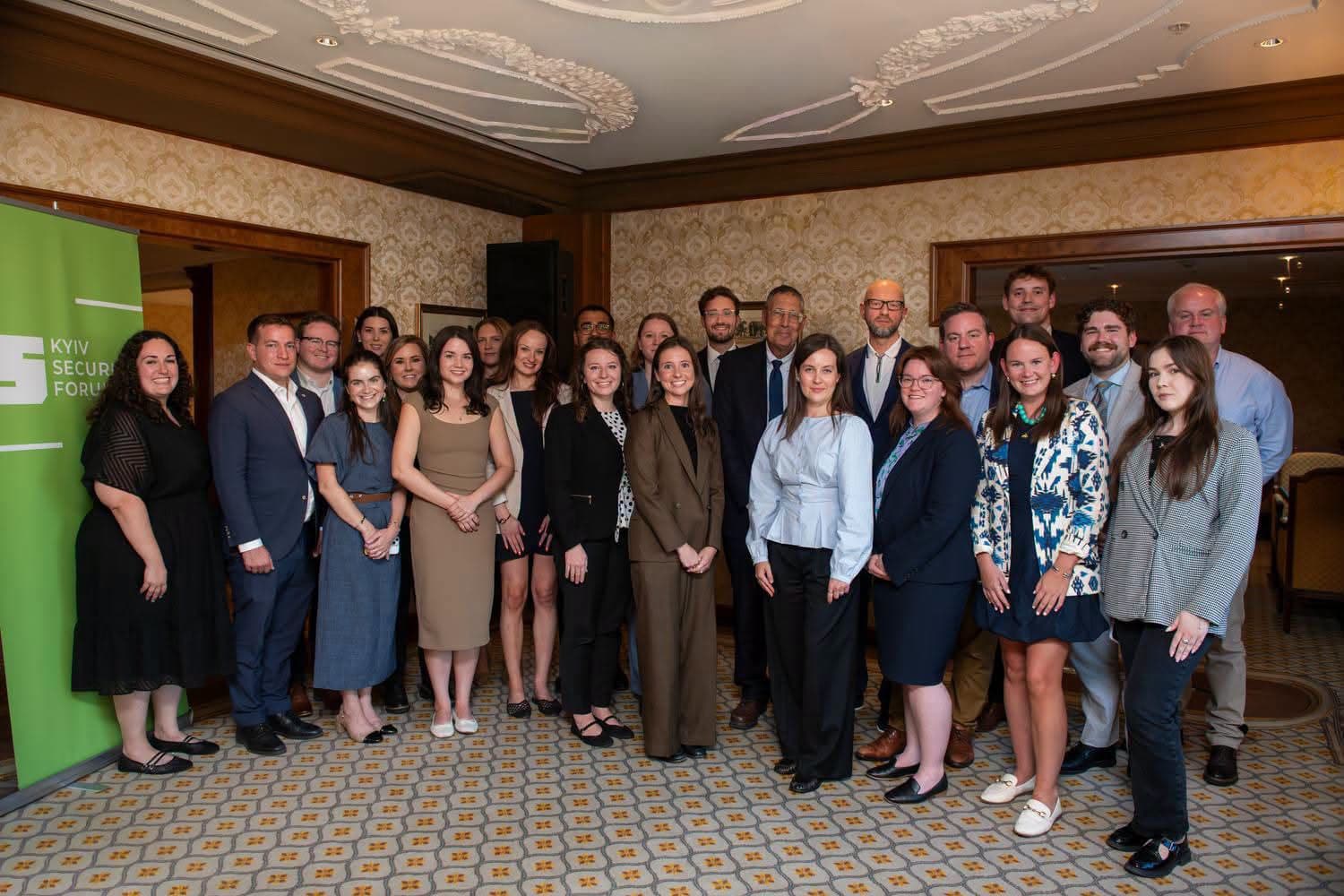
At the Forum’s invitation, the capital was visited by Prince Harry, the leadership of NATO and EU military committees, Andrzej Duda, Ukrainian and foreign generals, diplomats and experts.
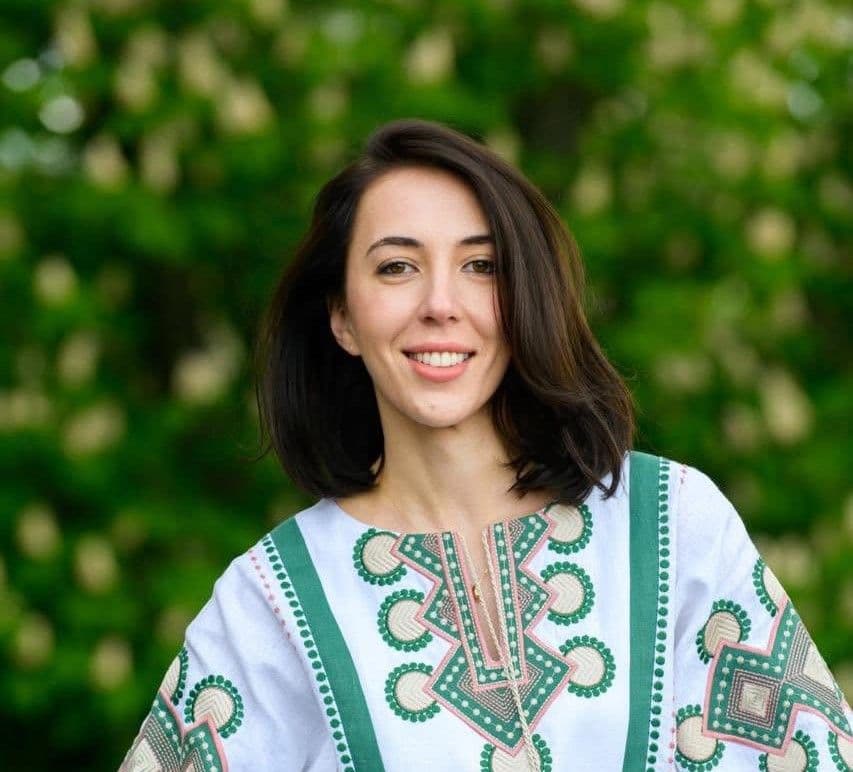
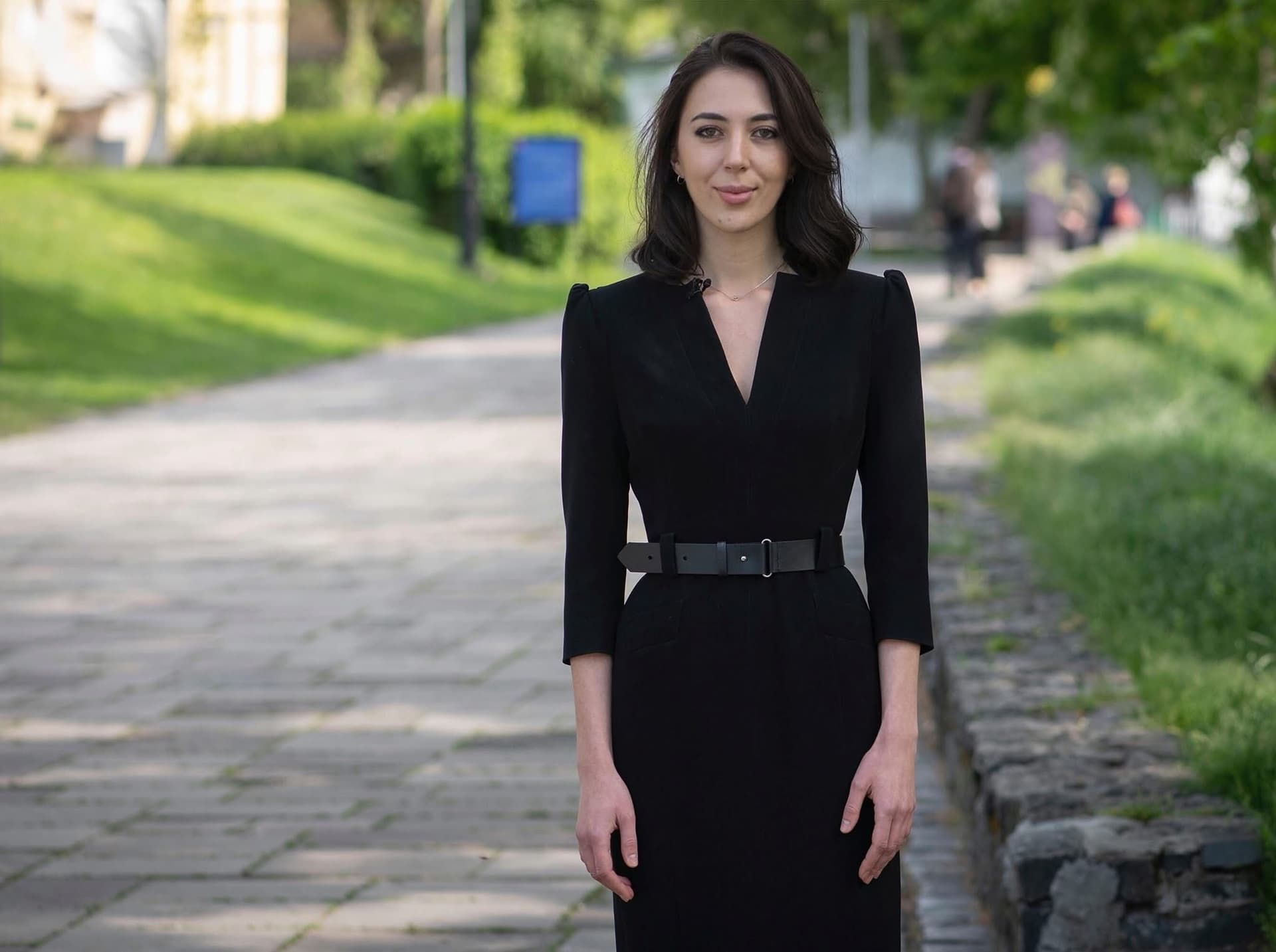
Ramina Shut, director of the Arseniy Yatsenyuk Foundation “Open Ukraine”, spoke about months of negotiations, secret visits, security protocols and why the personal presence of allies in Kyiv today means more than ever.
‘This Forum stood out for the calibre of its speakers, its scale and its emotional impact’
Ramina, it has been two weeks since the 18th Kyiv Security Forum. What three key differences between this year’s KSF and previous ones would you highlight?
For me, this is actually not the first Forum I have organised with our team, but the eleventh. The 18th Kyiv Security Forum is truly different from previous ones. Firstly, in terms of the calibre of the speakers. Secondly, in terms of scale. Thirdly, in terms of the emotional aspect.
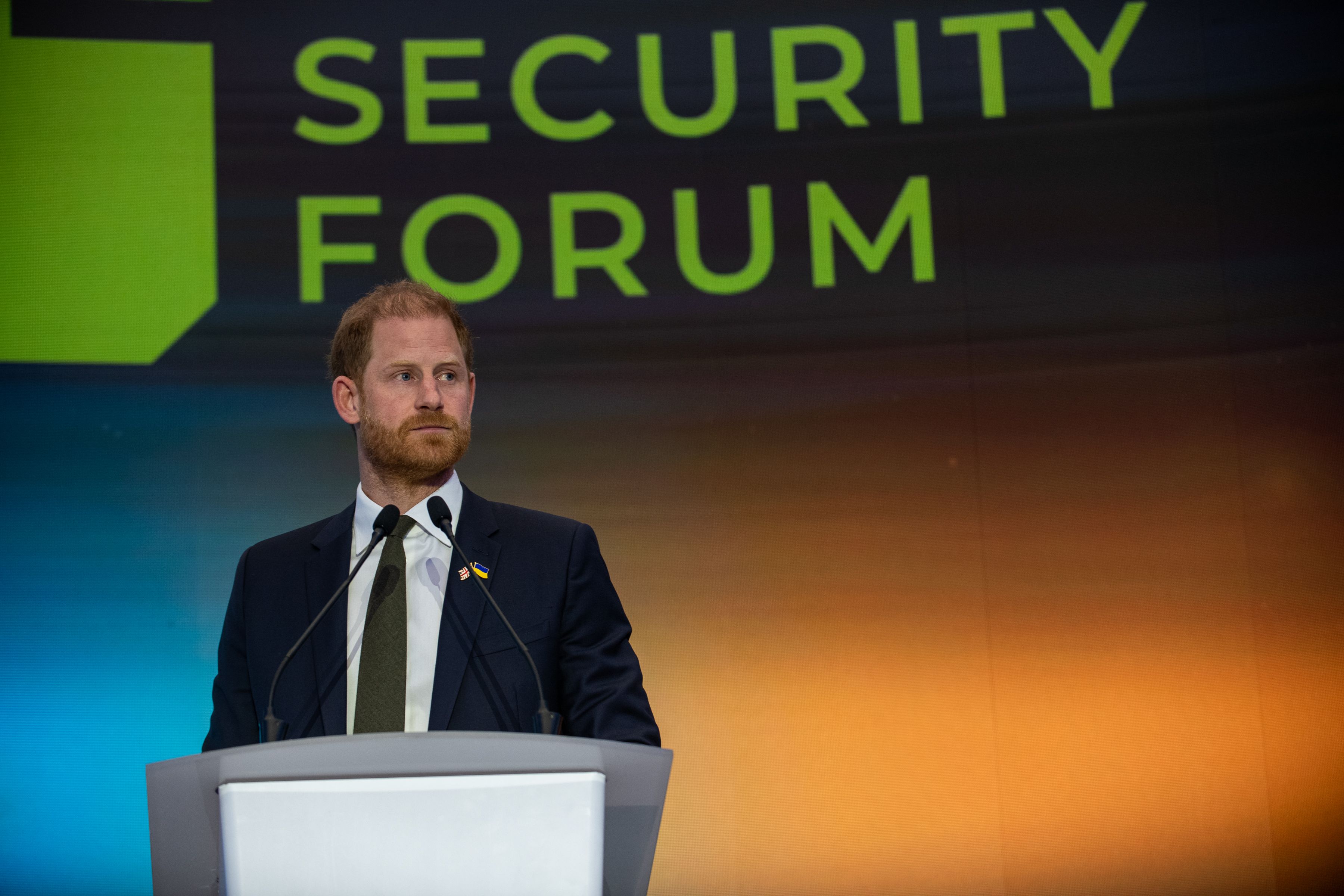
When I speak of the calibre of the speakers, of course, I would like to mention Prince Harry’s visit to Kyiv. This was not his first visit to Ukraine, but his third, and his second specifically to Kyiv. However, it is fair to say that this was his first visit to an event of this kind.
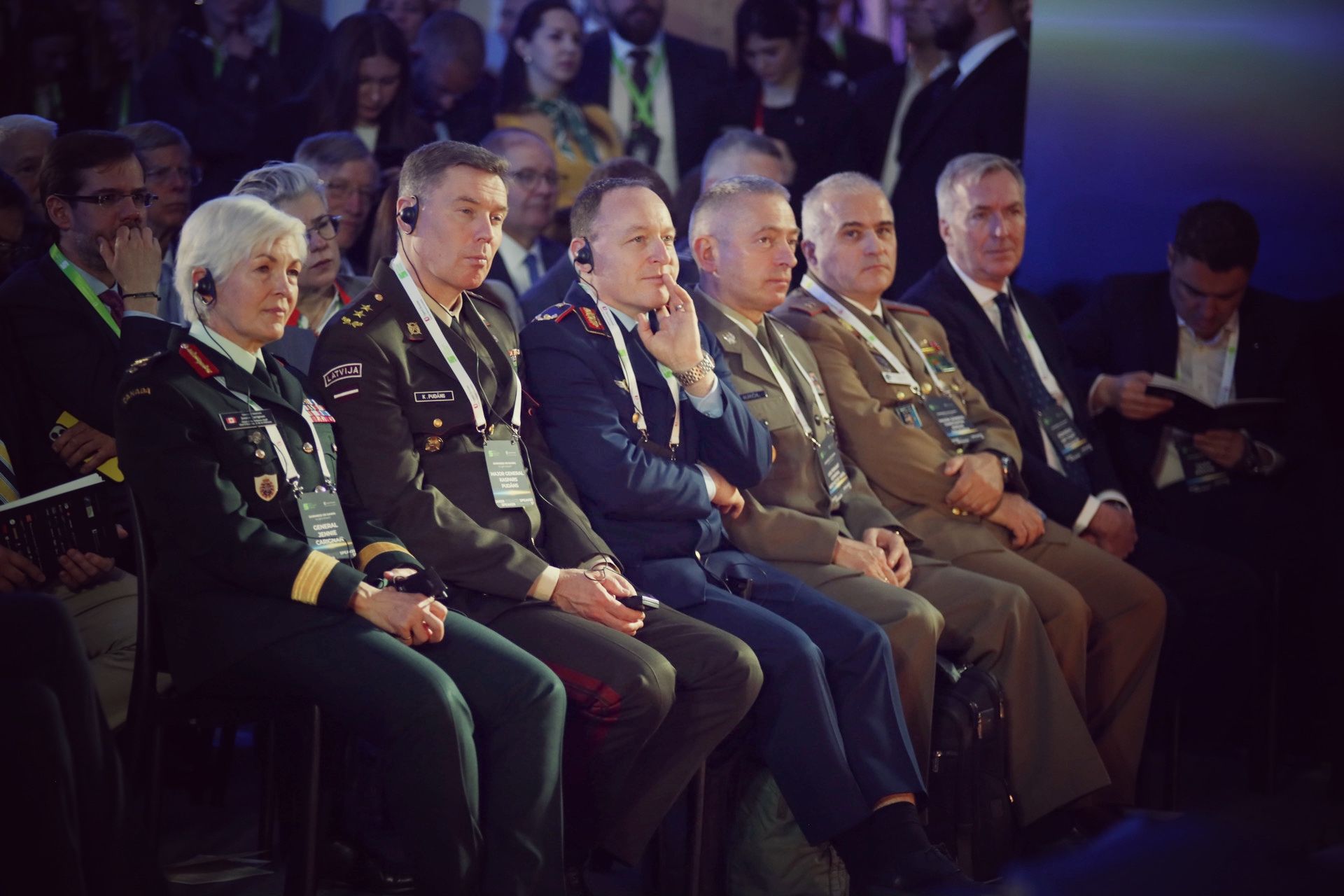
I would also like to mention the visit of the Chairman of the NATO Military Committee and the Chairman of the European Union Military Committee. And also the fact that my team and I managed to bring together the chiefs of defence of various countries. In particular, the Commander-in-Chief of the Latvian Armed Forces, the Commander-in-Chief of the Canadian Armed Forces, as well as representatives of the General Staffs of Poland and Germany.
I cannot say that the previous Forum was any less significant in terms of the number and calibre of speakers. No. The previous one brought together around 100 speakers. This one has brought together around 120 speakers, both foreign and Ukrainian. But even so, we felt a particularly powerful element in the Forum’s security agenda, as well as what I call the emotional component. And this is linked not only to Prince Harry’s visit, but also to the other speakers and events.
Why am I talking about the emotional aspect? Because the arrival of such people in Ukraine in the fifth year of a full-scale invasion feels somehow very special.
‘Harry’s visit is like a whole new chapter’
The most frequently asked question: how did you manage to bring Prince Harry here?
It was a challenge. I’d actually like to thank my colleague Oksana, who came up with the idea. And it was conceived two years ago. We tried to invite him to the 17th Kyiv Security Forum. Even back then, we’d been in touch with Harry’s team.
With that previous experience in mind, we decided to act a little earlier. Oksana sent an invitation to Harry’s team back in early December. And by mid-December, we’d received the first feedback from his team – they wanted to speak to us on Zoom.
Since then, which is actually four and a half months, we have been working constantly with his team: day and night. This is because Harry's team is spread across different time zones, with some in Los Angeles and others in London.
Who is in Harry's team?
These are the people responsible for his presence at international events, conferences and in the media. They are also the people who handle all aspects of his support – logistics, security, scheduling and travel arrangements. In other words, this is the team that sets out all the requirements and specifications: how many people will be travelling, what is needed to organise the visit, and how everything should be arranged.
Did he have any specific requirements?
Yes, of course. But I want to make it clear straight away – no royalties. Because I’ve already heard questions like that.
So they didn't ask for any, right?
No. But, of course, there were certain requirements regarding logistics, security, accommodation, transport and his public appearances. We ensured that all processes ran smoothly, liaising with his team every week for four months. And this was whilst we were also managing dozens of other speakers and dozens of other key visits at the same time.
So Harry’s visit was a whole new chapter in our lives.
About a month before the Forum, I realised that they were actually coming. Prior to that, over the course of three months, they had been in very close contact with us regarding various important matters, including speakers, participants, the media, the history of the Forum, the history of the Open Ukraine Foundation, and biographies. We gradually provided all this information to his team.
And with every Zoom call we had, more and more people from their side joined the conversation. The person in charge of security. The person in charge of media. The person in charge of logistics. The person in charge of the schedule. The speechwriter. And we had to answer every question.
To be honest, at first there was a certain amount of anxiety. Because we didn’t just want to organise everything properly, but to convey why his visit was so important.
But I think that from the very first Zoom call, we found a certain connection. They sensed how sincerely we wanted this, how important it was not just for the Forum or the Foundation, but specifically for Ukraine.
I told them honestly: “We are tired, Ukraine is tired, Ukraine needs more attention.”
I said that the world’s attention is now shifting to other conflicts. Not entirely, but we can feel it. And that is why it is so important to us that people like this come to Ukraine.
And I think that really struck a chord.
“The hardest part was keeping it a secret”
No one knew until the very last moment that he was coming. It was probably one of the biggest surprises for Ukraine.
Yes. And the hardest part of it all was keeping it a secret. That was a requirement from their team. But we treated it with the utmost respect.
Especially as this isn’t a new practice for us. We’ve had other speakers whose visits were also kept secret until the very last moment. This applied to the Chairman of the NATO Military Committee, the Chairman of the EU Military Committee, and the commanders-in-chief of allied armies.
It’s an absolutely normal practice.
Is this specifically related to the war or to the security of a particular individual?
Both the war and the security of a particular individual, of course. Once we realised that Prince Harry was definitely coming, we really wanted to tell everyone. We wanted to write to the speakers to say that we had this programme and these guests. But we take such agreements very seriously.
‘You could tell it had become his mission’
Did you personally speak to Prince Harry?
Yes. And it was a truly special experience that will stay with me for life.
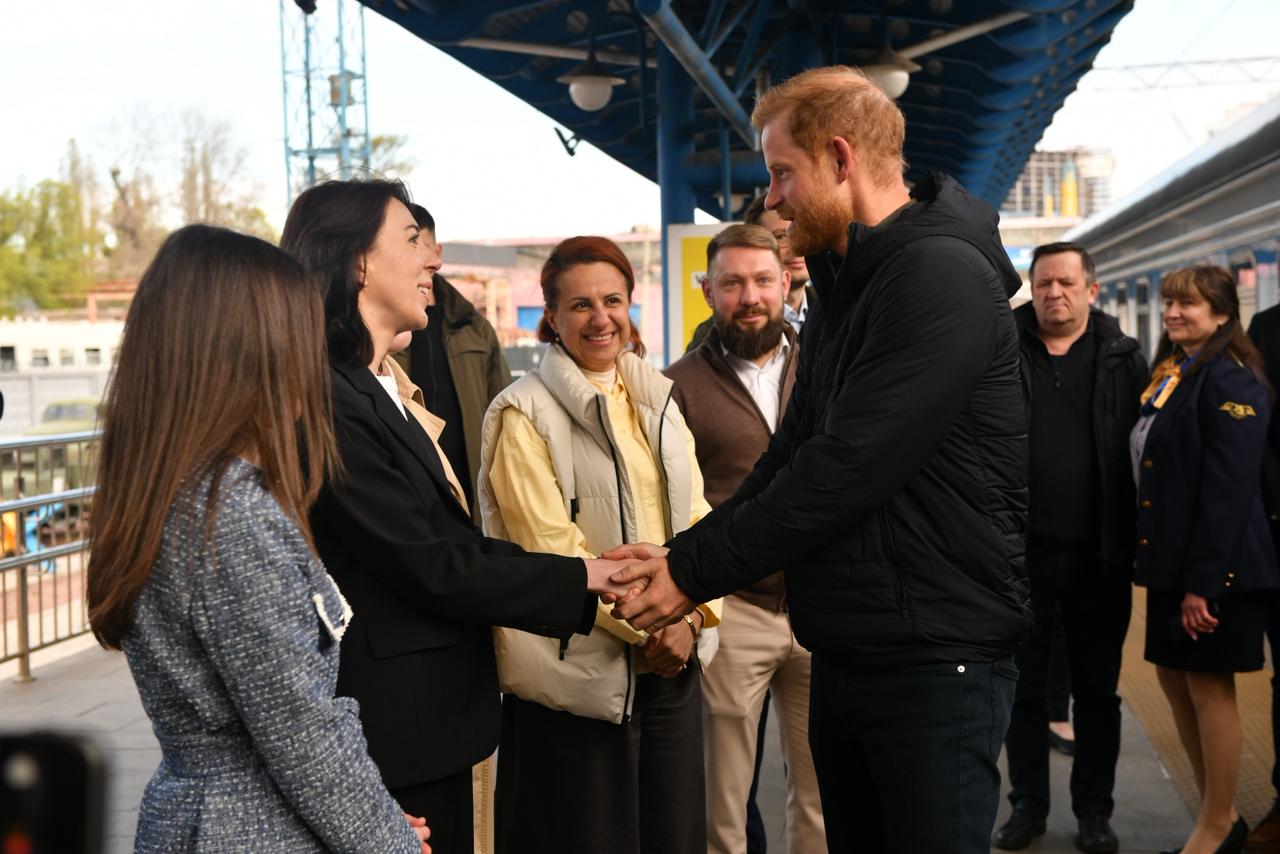
My colleague and I went to meet him at the railway station about an hour and a half before the train arrived. I was quite anxious: how would he react, how would he take it? When the train arrived, the team got off first. Then I was invited into the carriage where Harry was. And they told me that I would be the one to escort him to the motorcade.
It was such a simple and friendly introduction that my sense of anxiety vanished immediately. We talked about the journey, about Kyiv, about veterans. And I was struck by how open and sincere he was.
It was clear that for him, this wasn’t about protocol, or the media, or just ‘turning up to tick a box’. You could sense that he is genuinely passionate about veterans’ issues, that he sincerely wants to help Ukraine.
Am I correct in understanding that they seized the opportunity presented by the KSF’s invitation to visit Ukraine once more and implement their other projects?
Yes. And this was discussed with us. He came to the Kyiv Security Forum, delivered a very powerful speech, took part in a session with veterans, and attended the entire opening of the Forum, which lasted almost three hours. Only then did he have his own programme. And this is absolutely standard practice for many of our speakers. When people come to Ukraine, they also arrange other meetings.
For example, he couldn’t have come to Ukraine without attending the Invictus Games (an international sporting competition for service personnel and veterans who have been wounded, injured or fallen ill whilst on duty. The Games were founded by Prince Harry in 2014 – ed.).
Do you think they weren’t worried, generally speaking, about coming to a country at war, where heavy shelling could break out at any moment?
Honestly – I don’t think it scared Harry at all. It scared his security team more. I’ve actually spoken to them, and they told me that he wants to go everywhere, wants to be involved everywhere, wants to help. And sometimes they have to say ‘no’ to him.
But when it came to Ukraine, they said they couldn’t even dissuade him. Because it’s so important to him, it’s become his life’s mission – both helping veterans and supporting Ukraine.
So the question of ‘to go or not to go’ didn’t even arise.
We did, of course, have a security protocol in place. A backup stage had been prepared in the car park. But that applied to all the speakers. And I don’t think it worried him at all.
When he was sitting on stage with the veterans, you could see how intently he was listening to every speech, how deeply it was affecting him. And you could really sense that it was sincere. That’s why I’m sure he’ll return to Ukraine again.
“As soon as the Forum is over, we start preparing the next one”
Now everyone is asking: who will be at the Kyiv Security Forum after Harry?
Our team is already working on this. As soon as the Forum is over, we start preparing the next one.
How many people are involved in organising the Kyiv Security Forum each year?
If we’re talking about the core team, there are about 10 people: Kyiv Security Forum Security Council member Danylo Lubkivsky, myself and the Foundation’s operational team, as well as communication specialists, analysts and security staff. Preparations start very early – with dates, the concept and invitations. Speakers’ schedules are finalised well in advance. For some, a year in advance; for others, six months. And we already have a rough idea of who we want to see, who we need to work with, and who to invite first.
In people’s minds, the Kyiv Security Forum is always in April. Is the next one also in April?
Everyone asks: ‘When is your April Forum?’ But in fact, the Forum has taken place in May and June as well. We approach the dates very carefully. Because they must not clash with other major international conferences.
And symbolism is also very important to us. For example, this year the Forum took place on the eve of the anniversary of the Chornobyl disaster. And we deliberately chose these dates.
This year, many people noted that the programme was very relevant and practical. How is it put together in general?
We always try to ensure that it isn’t just ‘talking for the sake of talking’. People need to leave with an understanding of exactly what they can convey to their governments, societies and voters.
Putting the programme together is a complex process. Because we live in times when everything is changing very quickly. All the more so in Ukraine. We start working on the programme at least six months in advance.
We always have a section on Ukraine, a regional section, and a Euro-Atlantic section. This is something that hasn’t changed for many years.
And here I would like to give a special mention to our long-standing partners – first and foremost, NATO, which supports us both institutionally and financially.
The Kyiv Security Forum has always emphasised that Ukraine must be a member of NATO. That is why a large part of the programme is always devoted to Euro-Atlantic cooperation.
Ukrainian miltech and the world’s renewed interest
There were many developers of drones and other military products at the Forum. Is this a particular focus for KSF at the moment?
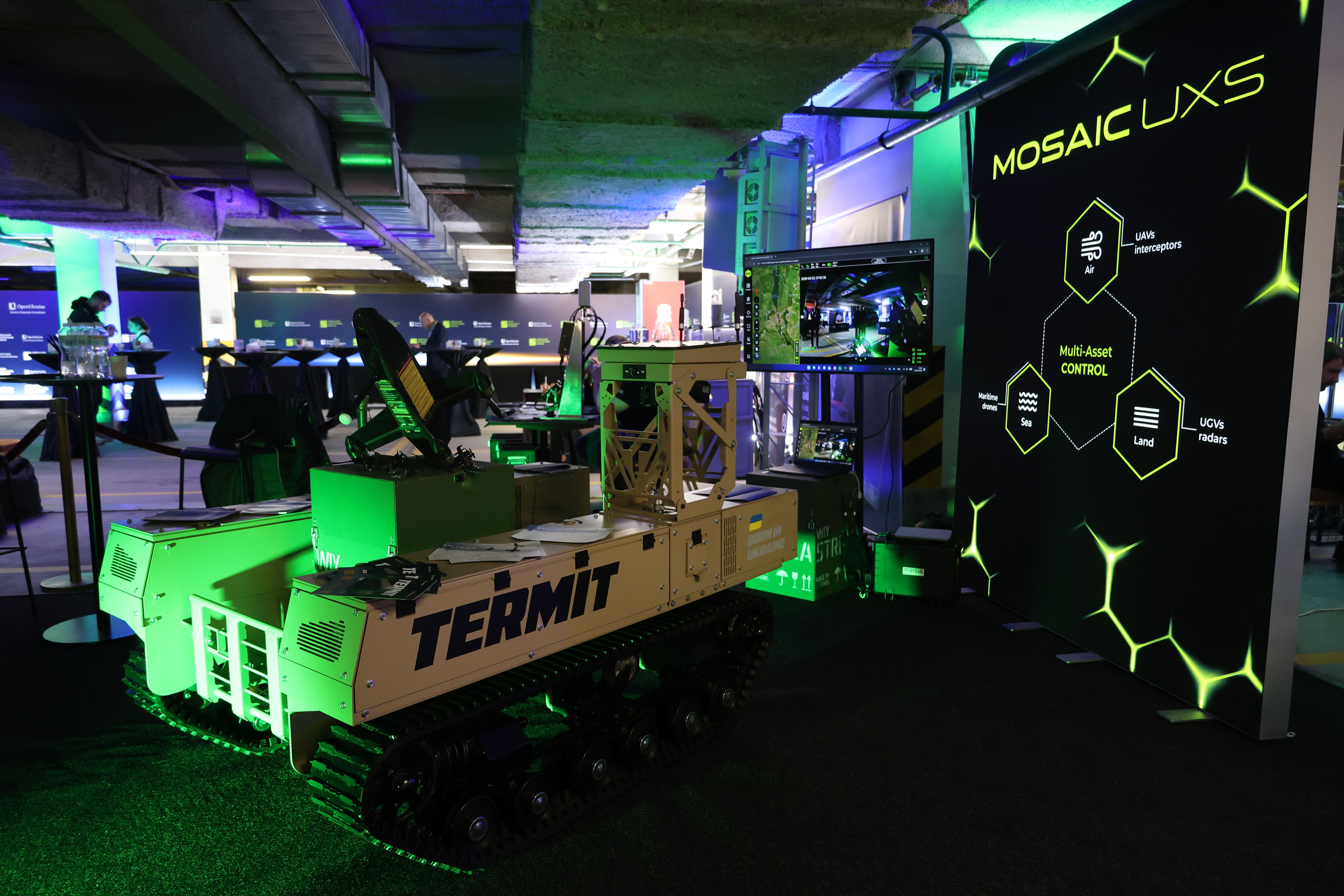
Yes, miltech has become a very important part of the Forum this year, and the event featured a large exhibition of products from Ukrainian manufacturers – around ten companies. There was also a separate panel discussion involving manufacturers.
We believe that it is now critically important for Ukraine, for Europe and for the US to discuss this. That is why we placed such a strong emphasis on it.
Did you get the feeling that foreign representatives were genuinely interested in Ukrainian manufacturers?
Yes. When commanders-in-chief of other countries’ armed forces, experts and our international friends approached us, they all spoke about how important this is right now.
They hadn’t just heard about Ukrainian miltech; they saw these people and these developments in person. And it is very telling that foreign partners are now reaching out to Ukrainian manufacturers, rather than the other way round.
Budanov
If you look at the Forum’s media line-up, the second name after Harry was Kyrylo Budanov. And his name was also kept under wraps. What were your impressions of his participation?
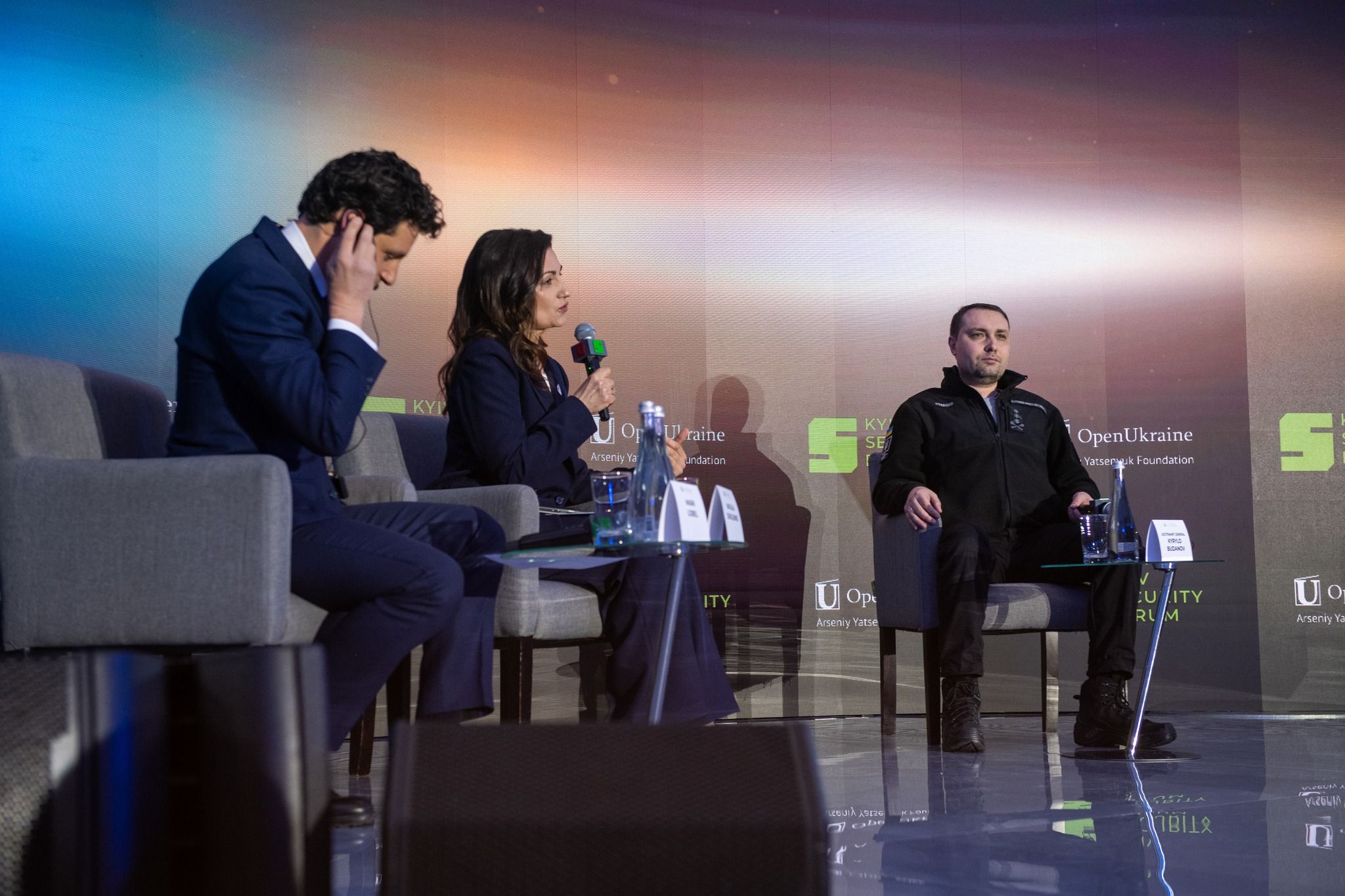
We had excellent communication with Kyrylo Budanov’s team. We sent an invitation – and they agreed straight away.
I really liked the fact that when I asked which format suited him best – a presentation or a moderated discussion – they told me: any format, but a discussion suits him better; he isn’t afraid of questions.
That’s when we came up with the idea of a format with two moderators – a Ukrainian journalist and a British BBC journalist. So that there would be questions from both a Ukrainian and an international perspective. And I think it worked very well.
Duda
And what about Andrzej Duda? That was a surprise too. How did he react to the invitation to the Forum?
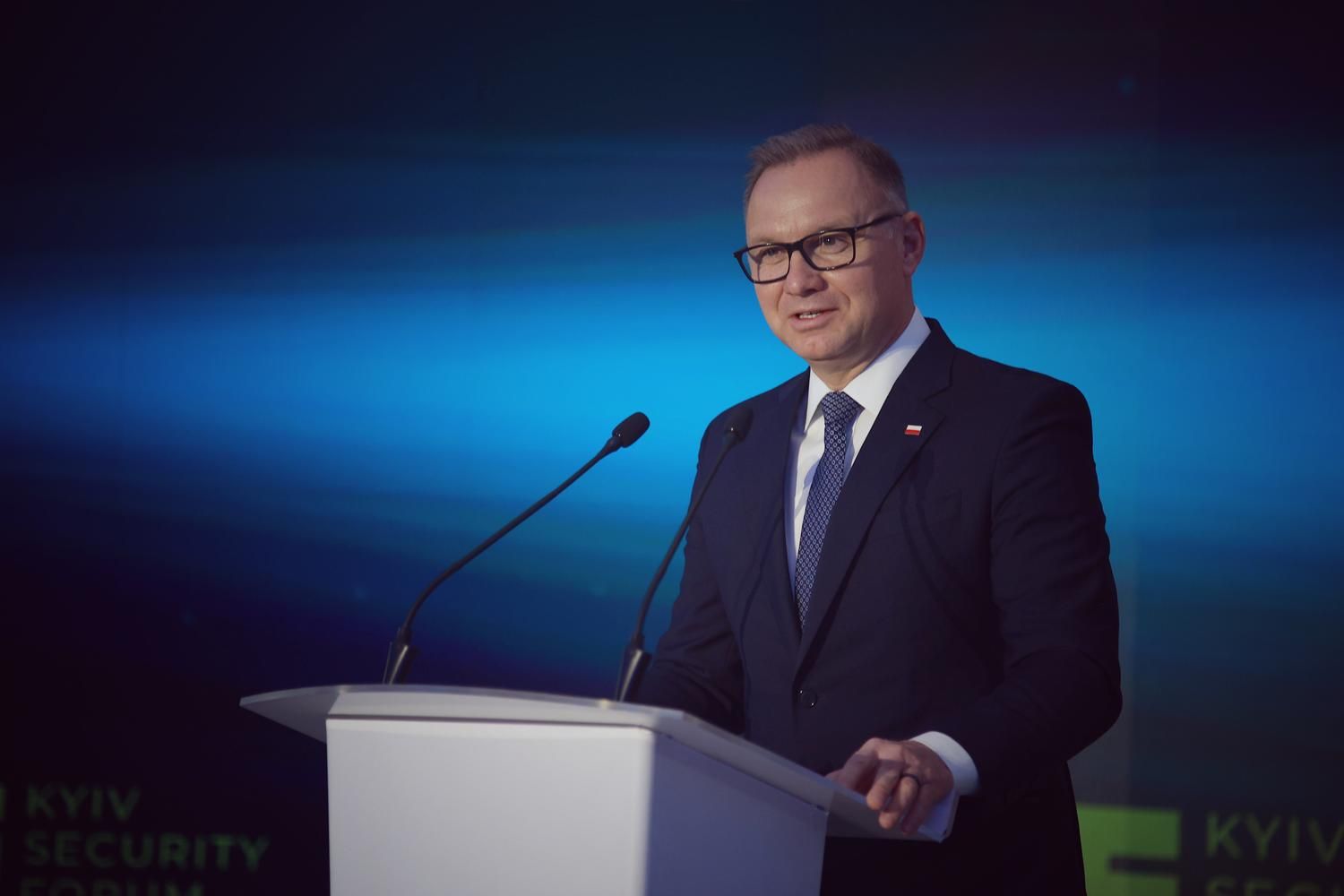
This was his first visit specifically to the Kyiv Security Forum. Here I would like to highlight our partnership with Covington & Burling LLP, an American multinational law firm. Together we organised a session on justice – sanctions and frozen Russian assets. It was precisely through this collaboration that the opportunity arose to invite Andrzej Duda.
I was struck by how engaged he was in the Forum. He was present for almost the entire two days. He didn’t just give a speech and leave; he took part in the panels, listened to the discussions, and spoke with the speakers and journalists.
This also speaks volumes about his attitude towards Ukraine. It was clear that he was interested. It was clear that he is sincere and wants to make a contribution – which he has already made during his 10 years as President of Poland – to Ukrainian-Polish relations, and he continues to do so. And the fact that he has come to Ukraine no longer as the incumbent president is a sign of this.
NATO, the EU and a night under fire
Perhaps a particular source of pride – is the participation of the heads of the NATO and EU Military Committees, our key partners. Both came in person and were here together at a time when the world is debating Europe’s role in NATO and NATO’s role for Europe.
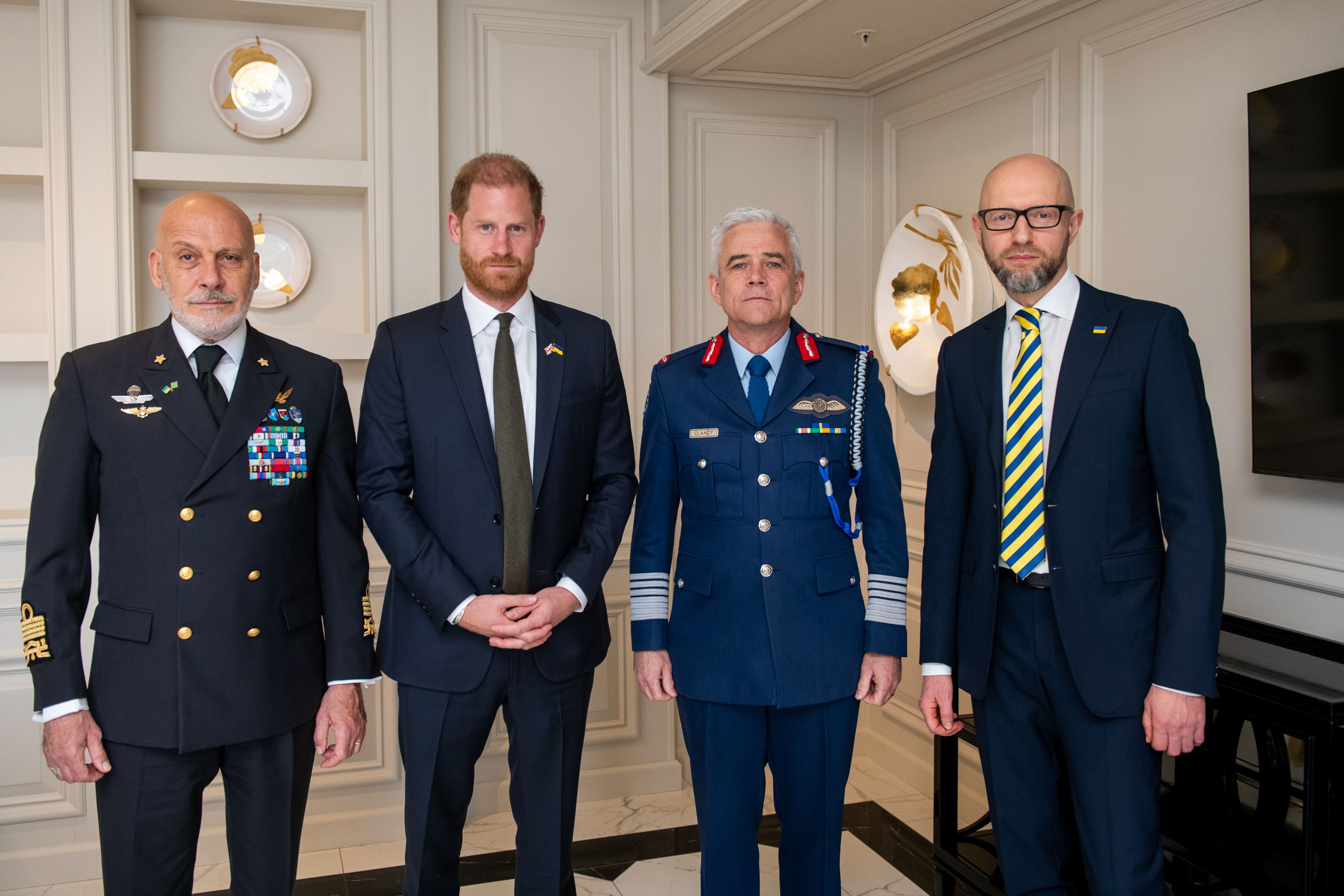
Communication with the NATO Military Committee at the Kyiv Security Forum is well-established, and it began with the visit of the former Chairman of the NATO Military Committee, Admiral Rob Bauer. In 2024, he came at the invitation of the Kyiv Security Forum – and this was the first visit by a Chairman of the NATO Military Committee to Ukraine during a full-scale war.
I remember that visit very well. He arrived and said: ‘Kyiv is so beautiful; everything is working here – the cafés, the shops.’
And then came his first night in Kyiv – and there was a terrible shelling. His entire team was in the shelter with us. We heard explosions, ‘Shaheds’, rockets. And I remember how, after that night, his perception of what was happening in Ukraine changed completely. Because it’s one thing to read reports or watch the news, and quite another to spend the night under ‘Kinzhal’ missiles and artillery fire.
The next day we were all absolutely exhausted after a sleepless night. But it was clear that he now viewed this war in a completely different light.
That is why I always say: personal experience is extremely important. And it was then that our very close cooperation with the NATO Military Committee began.
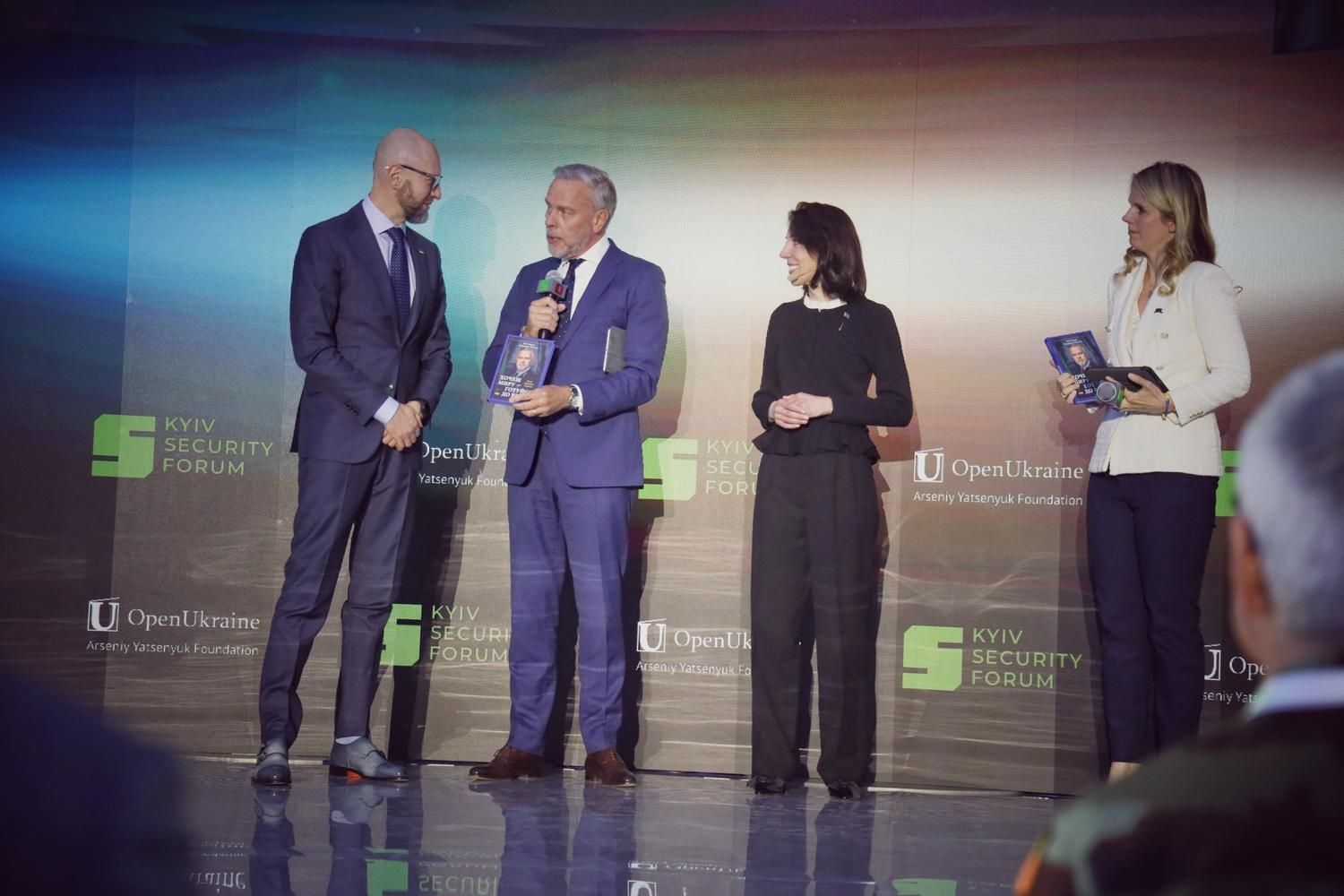
Then Rob Bauer came back again, after his term of office had ended. And that was when Arseniy Yatsenyuk invited him to join the KSF Security Council. He agreed, and he continues to support and assist Ukraine until this day. And we helped to translate and publish his book in Ukraine.
And when Arseniy Yatsenyuk and I were in Brussels last year and met with Admiral Cavo Dragone, who had taken over as Chairman of the NATO Military Committee, we immediately agreed that we would invite him to the KSF. He said, “I’ll come,” – and kept his word. But this also involved months of thorough communication with his team. It is a large organisation, with many people, each responsible for their own area.
The same applies to the Chairman of the EU Military Committee, General Sean Clancy. We also met with him in Brussels. I remember that the meeting, which was supposed to last half an hour, lasted an hour and a half. Afterwards, he said that following this meeting, it had become clear that he had to come to the KSF.
It is very important to us that they defined this visit to Kyiv as a joint one. This is a very powerful signal that NATO and the European Union stand shoulder to shoulder with Ukraine.
“It is important to bring people to Ukraine to show the true face of the war”
Do you think the line-up of speakers and participants at the Forum reflects those who are currently providing the strongest support for Ukraine?
If we’re talking about countries that support us strongly, they were certainly represented at the Forum: the Baltic countries, Canada, the United States, Poland, France, and other European Union members. But I don’t want it to look as though if a particular country wasn’t among the speakers, it doesn’t support Ukraine. Sometimes it’s a matter of schedules and timing.
For example, the Danish Minister of Defence had planned to attend, but there were changes in the government there – and it simply didn’t work out. But generally speaking: yes, the countries that support Ukraine were very well represented.
What is the Forum’s main philosophy? To talk about Ukraine, about global security, or about global security through the prism of Ukraine?
I believe that without Ukraine’s security, there can be no global security. So, of course, the main theme for us is Ukraine. But through the prism of global security. Because what is happening here directly affects both Europe and the world.
The people who come to the Forum are our like-minded people. They too understand that without peace in Ukraine, there will be no stability in Europe.
You spoke about fatigue in your speech. And the foreigners really felt that. What did you want to convey to them?
I wanted to convey what we are feeling as a country. The fifth year of full-scale war is the most difficult period. The first year is about mobilising resources, when there is still a great deal of energy. The second year is when momentum still carries us along. And then exhaustion sets in.
We often hear about the fatigue of Europe or America. And sometimes I feel like saying: come to Kyiv and ‘take a break’.
But for many abroad, our war is still becoming a kind of routine.
That is precisely why it is so important to bring people to Ukraine. We need to invite them. We need to show them the true face of this war. They need to see veterans, soldiers and young people. They need to talk to them. Because personal impressions cannot be replaced by news on the television.
Some experts said: ‘I’m not afraid to fly to Kyiv’
Do all foreign experts on Ukraine really understand the issues surrounding this war?
I’ve met people who said: “I’m not afraid to fly to Kyiv.” And they were genuinely surprised to learn that our airspace is closed. But there aren’t many like that.
We shouldn’t take offence if someone doesn’t know something. That’s normal. But we need to explain more, talk more, and invite more people to Ukraine.
This year, many foreigners were impressed by how Ukraine got through the winter. They look at us and say: “How do you manage it?”
The KSF takes place during a war. It’s a forum where you have to plan for everything: generators, backup stages, security, logistics. And that sets it apart from many international forums.
“Arseniy Yatsenyuk is a perfectionist”
Tell us about the role of Arseniy Yatsenyuk, founder of the Kyiv Security Forum, in organising this event.
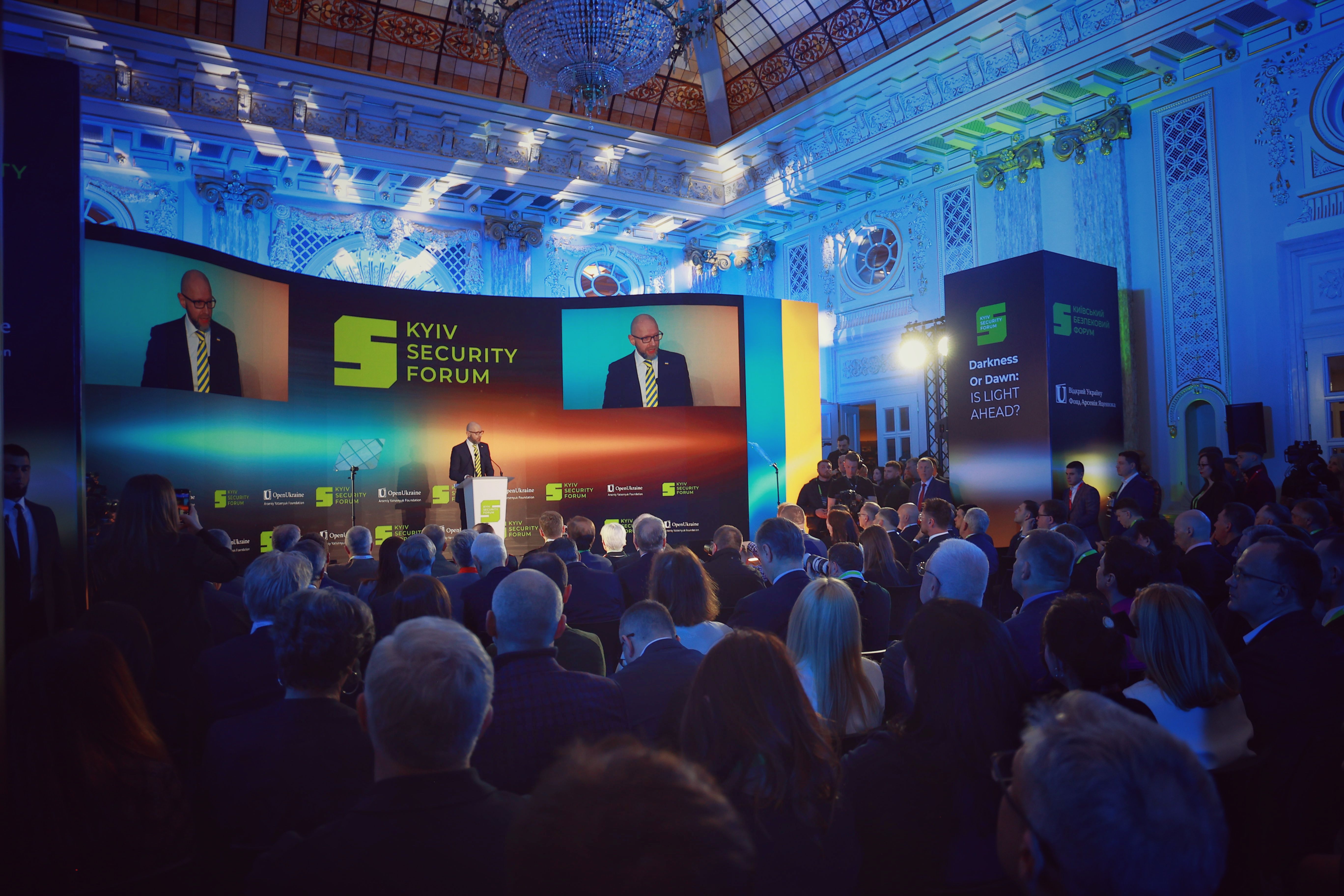
Arseniy Yatsenyuk is a doer. He is someone who puts a great deal of work into the Forum. And this is not merely a symbolic role. He is deeply involved in everything: shaping the programme, selecting speakers, and building international contacts.
He is a perfectionist. And you can really feel it. Each Forum becomes stronger and more ambitious, and this is largely down to him. The fact that we have managed to bring such people to the KSF is largely thanks to him. As soon as each Forum ends, preparations for the next one begin immediately. All the international meetings, advocacy tours and contacts are also part of the preparations for the upcoming Forum. And it is precisely thanks to this constant work that we manage to attract such people to Ukraine, as we did for the 18th KSF.
“Every country should have its own security conference”
You mentioned other international platforms. The Munich Security Conference, the Warsaw Security Forum, the Riga Security Forum, other major security events – what are they for the Kyiv Security Forum? Partners, competitors, a benchmark?
They are definitely our good friends.
Of course, we look up to certain conferences. For example, the Munich Security Conference is a huge international platform and a very powerful example.
But at the same time, this year we have already managed to become partners. The Kyiv Security Forum held a joint side event at the Munich Conference. It was dedicated to energy, our harsh winter, and what Ukraine has been going through.
So for us, it’s no longer just a case of ‘we look up to them’. It’s already a partnership. And the same goes for Warsaw, Riga and Berlin. We have great respect for them all and believe that every country should have its own security conference.
Our Forum takes place in a country at war, and our experience is unique. Other conferences are unique in their own way. We learn from some, and others learn from us.
Last year, the chair of the Berlin Security Conference visited us. Arseniy Yatsenyuk regularly speaks at various international conferences – in Warsaw, Riga, Berlin and Washington. And this is also a very important part of our work.
‘We are very open to partnerships’
When you look at the Forum today and think back to what it used to be like – what has changed the most?
It has changed a great deal. The Forum has been running since 2007. And, of course, it is now a completely different event from what it was before the war.
Now it is truly a security forum in the truest sense of the word. Because today you’re not just thinking about the programme or the speakers. You consider how people will get there; where the shelters will be; whether a backup stage is needed; whether there will be enough generators; and how to ensure the safety of guests.
All of this completely changes the very logic of the preparations. But at the same time, the Forum has become much more emotional. And I think this was very much felt this year.
If someone in their own country or in Ukraine wants to attend the Kyiv Security Forum, what should they do?
We’re very open about this. We often get messages from people asking where they can buy a ticket for the Kyiv Security Forum. We try to explain to everyone that we don’t sell tickets – attendance is free. Honestly, a lot of people are surprised. For me, it was actually something of a revelation this year – so many people were prepared to pay for the chance to attend the Forum.
So, first and foremost, you should write to us, outline your idea, perhaps send a short document or presentation. We’re happy to arrange Zoom meetings and invite you to discuss everything in person.
If, however, it’s something unrelated to the Forum’s themes – which does happen – we usually suggest simply watching us online. But if it concerns global security, international politics, sustainability, disinformation, energy or other topics within the Forum’s scope of interest – we’re very open to collaboration. You can simply take a look at our programme – and it will become clear whether it overlaps with the KSF’s themes.
You’ve had a great many partnerships this year.
Yes. And we’re very proud of that. There were numerous partnerships and side events running alongside the main programme of the Kyiv Security Forum. There were also partnerships on the main stage.
We’re pleased that people are now approaching us more often – wanting to become partners of the KSF. Perhaps it used to be the other way round – we were the ones making more offers. Now, however, we sometimes find ourselves having to consider all partnership proposals very carefully. Because we can’t overload the programme.
So, there are recurring themes: transatlantic cooperation and Euro-Atlantic integration. But new themes emerge every year. What would you highlight this year?
This year we had a very strong session dedicated to Chornobyl – in the context of the 40th anniversary of the tragedy. The theme of morality and courage was also powerful, featuring representatives of churches and Nobel laureates. These themes and panels were entirely the initiative of KSF Security Council member Danylo Lubkivsky. I would also like to highlight the theme of urban resilience, where we discussed both energy and preparations for the coming winter.
This year we also had powerful sessions on anti-corruption and disinformation. The forum is constantly evolving. New themes are added annually.
This year, you invited BBC journalist Mark Lobel to be the moderator. Why him in particular?
Mark did a brilliant job. We really wanted a BBC journalist to be the main moderator. Mark was recommended to us as a journalist who covers Ukrainian affairs extensively. And when we first spoke to him on Zoom, I realised straight away: this is exactly the person we need. He is very open and genuinely wanted to come to Ukraine. And he is down-to-earth in the best sense of the word. I think that’s what gave the Forum a certain lightness. After all, all the sessions are heavy going. But he added liveliness and dynamism. I really want to highlight his work.
What is the most difficult part of organising such an event?
Speaking for myself, the hardest and at the same time most interesting part of the job is communicating with the speakers.
I’m a very responsible person, and this involves a huge flow of information, correspondence, new contacts, new topics, and new briefings from the teams. It’s painstaking work. And at the same time – work that I really love.
Of course, logistics are very complex in wartime conditions. Before, people could simply fly to Kyiv, but now we have to organise the entire route. And we take this very seriously. This includes transport from Warsaw to Kyiv, all transfers, accommodation, and constant coordination. We even prepare special kits for the speakers in the train compartments – with various little items, everything they need. We want to take the best possible care of every person who has decided to come to Ukraine. Because this is no longer a case of ‘arriving for a day and flying out again’. For many, it’s effectively a week’s worth of time. And when it comes to ministers, military personnel, and heads of international organisations – finding that week in their schedules is extremely difficult.
“Every mention of Ukraine is a reminder of the war”
What is the best outcome of each Forum?
First and foremost, it is the decisions that can be taken in support of Ukraine. This is because the event is attended by people who shape public opinion and influence decision-making in their capitals, governments and countries. They visit Kyiv, give speeches, meet participants and see the situation with their own eyes. Here, they meet with the president, the prime minister, government representatives, the military and other decision-makers. And, of course, this also influences future decisions regarding support for Ukraine.
Every mention of Ukraine in the international media is yet another reminder of the war. And we are not just talking about the Kyiv Security Forum. We are talking about Kyiv, where the war is ongoing. About Ukraine, which is living under a full-scale invasion. This Forum provided a very powerful impetus for this, especially given Prince Harry’s visit and statement. People are talking about Ukraine. About our military, our veterans, and the fact that Ukraine needs to be supported. And about the fact that this is not just our war. It is a war that concerns peace worldwide.
Have you received any feedback since the Forum?
Yes, a great deal. Both from the speakers and from the participants. And we’re still in touch. Because the work doesn’t stop once the Forum is over. We’re keeping in touch with many teams, speakers and international partners.
This year, a great many people spoke specifically about the emotional aspect of the Forum.
Honestly – I don’t know why it was so powerful this year in particular.
Perhaps because of the speakers themselves. Perhaps because of the veterans and military personnel who were present. But it was very palpable. You could sense that people hadn’t come just to ‘tick a box’, but because they genuinely consider supporting Ukraine to be their mission.
Your closing speech at the Forum was very emotional.
It was a heartfelt outpouring of my soul. I wanted to thank the people who have stood by Ukraine throughout the fifth year of the war. Because the fact that they are coming now, and not just when the war first began, is very important to us.
I didn’t want to speak in diplomatic terms or figures. I wanted to say, in human terms, that yes, we are tired and it is very hard for us.
But the fact that these people come, support us and stay by our side means a great deal to us. And I think they felt that.